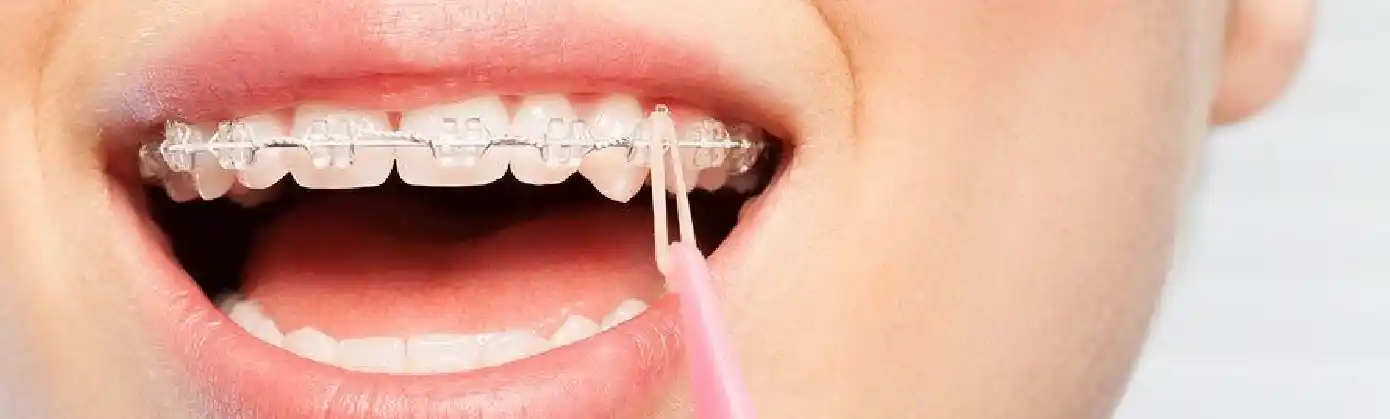


There are many orthodontic methods that create eye-catching smiles, continuously support your dental health, and boost your self-confidence. One of these methods is orthodontic elastics (braces rubber bands). These small and flexible materials are used to keep your braces in place and to properly align teeth that move in opposite directions. They are generally attached over the braces and help you comfortably bite into your favorite foods without difficulty. So, how exactly do these small yet effective elastics work?
What is an Orthodontic Elastic?
The small tools used to stabilize braces, adjust tooth positioning, and connect archwires are called orthodontic elastics. These extremely small devices play a very important role in orthodontic treatment. By regulating and consistently applying pressure to the teeth, they gradually reshape the jaw structure over time. As a result, they help crooked and misaligned teeth move into their correct positions.
Why are Orthodontic Elastics Used?
Orthodontic elastics are considered an integral part of braces treatment and are used for various purposes. Although the reason for their use depends on the patient’s specific condition and the treatment plan determined by the orthodontist, they are generally needed for the following reasons:
Closing Gaps Between Teeth
Teeth may separate over time for various reasons. If left untreated, these gaps can lead to problems such as diastema (spaces between teeth). Orthodontic elastics can help eliminate these issues.
Reshaping the Jaw Structure
Some individuals may have jaw deformities due to congenital or acquired reasons. Especially irregularities between the upper and lower jaw can be corrected with these elastics.
Aligning or Straightening Teeth
Teeth can become misaligned for various reasons, creating both functional and aesthetic concerns. Elastics attached to braces help close spaces and reduce the distance between teeth.
Supporting the Treatment Process
Braces treatment is usually a long process that can take several months. However, the use of orthodontic elastics can significantly speed up the treatment. When used correctly, they help teeth move more quickly, potentially shortening the overall treatment time.
What Do Orthodontic Elastics Do?
Orthodontic elastics are flexible materials commonly used in treating orthodontic conditions. Although their primary function is to connect braces and ensure optimal positioning, they also serve additional purposes:
- Correct misaligned teeth
- Reshape the jaw structure
- Accelerate the planned treatment process
- Increase the effectiveness of orthodontic treatments
- Ensure harmony between teeth
- Improve chewing function by balancing the teeth
How Are Orthodontic Elastics Placed?
Proper placement of orthodontic elastics is crucial to prevent discomfort and to ensure the intended benefits are fully achieved. The following steps should be carefully followed:
Preparation
Before starting the procedure, both the teeth and braces must be cleaned. The purpose of this cleaning is to ensure the elastics fit properly and to minimize potential complications.
Elastic Selection
There are many different sizes and types of elastics. Your orthodontist will select the most suitable one based on your dental condition and the goals of your treatment.
Placement
Special tools designed for this purpose are used to attach the elastics. The orthodontist carefully places each elastic in the predetermined position.
Adjustments
After placement, the orthodontist ensures that the elastics fit correctly and apply the intended amount of pressure. Necessary adjustments are made accordingly.
Care Instructions
The orthodontist provides detailed information on how to use the elastics properly, including important points about replacement and hygiene. After all these steps, a follow-up appointment is scheduled to monitor the progress of the treatment.
How Are Orthodontic Elastics Changed?
For treatment to be effective and successful, orthodontic elastics may need to be replaced at specific intervals. In some cases, orthodontists provide personalized replacement instructions. If your orthodontist has given you specific instructions, be sure to follow them carefully. If not, and you are following a general replacement process, you can follow these steps:
Preparation
Before changing the elastic, wash your hands thoroughly with soap and water. Brush your teeth and complete your regular oral hygiene routine.
Removing the Old Elastics
After cleaning, remove the old elastics using an elastic removal tool or dental floss. Remove them carefully and dispose of them as recommended by your orthodontist.
Placing the New Elastic
Before attaching a new elastic, make sure you remember the correct size to use. Then, place the elastic onto the brace or bracket. Ensure it is positioned correctly and applies the pressure instructed by your orthodontist.
Adjustment
If the elastics are not seated properly, make the necessary adjustments. After replacing the elastics, continue to carefully follow the recommended care instructions.
Orthodontic Elastic Prices
It is not accurate to state a fixed price for orthodontic elastics, as they come in different colors and types. Factors such as personal preferences, treatment duration, and the orthodontist’s treatment plan all influence the cost. Since each patient receives an individualized treatment plan, the most accurate pricing information can only be obtained directly from the clinic or orthodontist providing the treatment. If you would like detailed information, you can contact us.
Frequently Asked Questions
Who Can Use Orthodontic Elastics?
They can be used for individuals with misaligned teeth, spacing issues, or jaw disorders.
When Are Orthodontic Elastics Used?
They are used when the benefits of braces need to be enhanced, when tooth misalignment is present, or when jaw problems cause functional issues.
What Happens If Orthodontic Elastics Are Not Used?
If elastics are not worn, the effectiveness of the treatment may significantly decrease, and in some cases, full correction may not be achieved.
Do Orthodontic Elastics Correct the Jaw?
Yes, when properly applied, they can help correct jaw alignment.
Do Orthodontic Elastics Cause Pain?
No, they generally do not cause pain. However, improperly positioned elastics may lead to discomfort.
How Many Months Should Orthodontic Elastics Be Worn?
The duration depends on the individual treatment plan. Therefore, it is not possible to give a standard timeframe applicable to everyone.
What Happens If an Orthodontic Elastic Is Swallowed?
You may accidentally swallow an elastic. This could cause nausea, stomach pain, or vomiting. In such cases, you should visit your dentist without delay.