









Dental cysts, which hold an important place among oral health problems, can often lead to serious health issues if left untreated. The formation of a dental cyst generally occurs within the jawbone, around the root of a tooth, or in the gums. These cysts are defined as pathological cavities filled with fluid or semi-solid material.
In this article, we will answer questions such as whether dental cysts are dangerous, what causes them, and how they are treated. We will also share tips on how you can prevent cyst formation at the tooth root. If you’re ready, let’s begin!
What is a Dental Cyst?
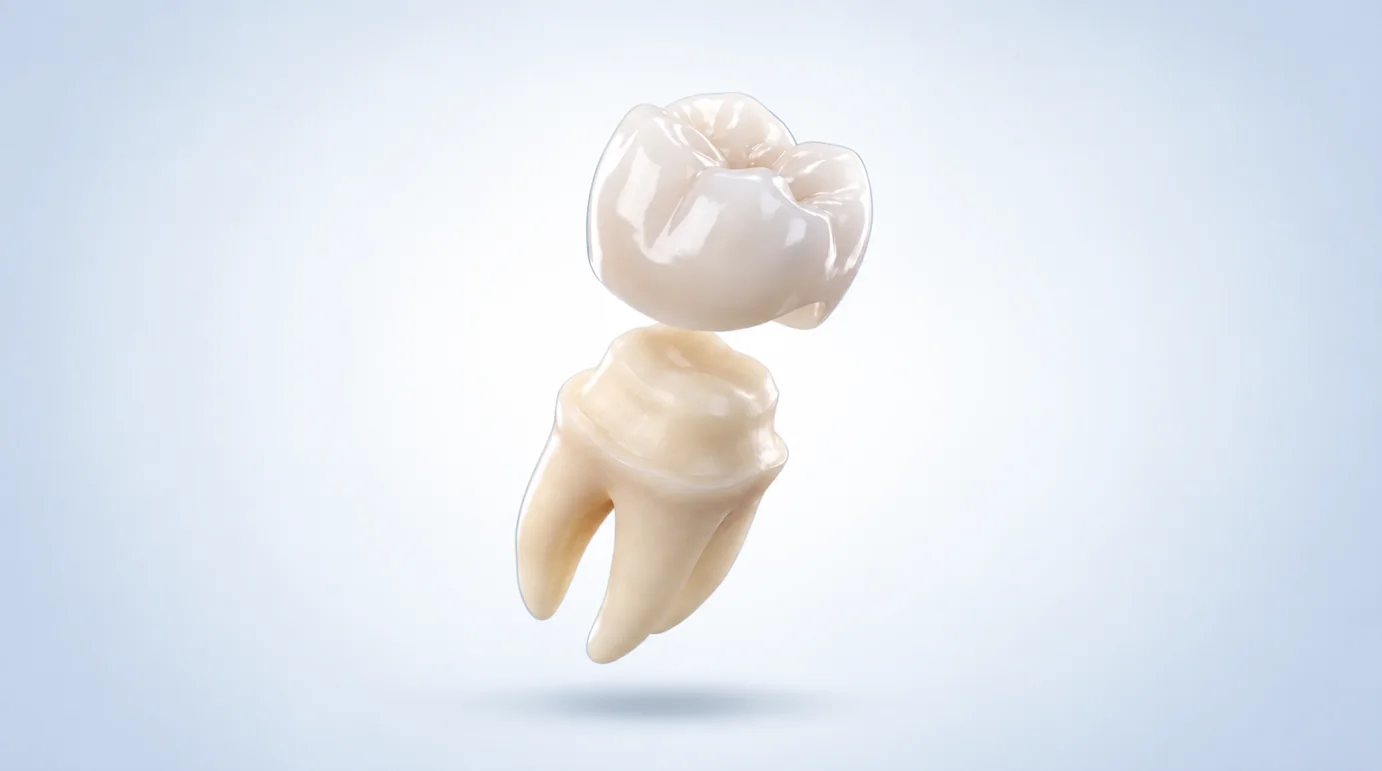
A dental cyst is a pathological cavity filled with fluid or semi-solid material that usually forms in the jawbone or gums. Cysts typically develop around the root of a tooth and can occur in various types. The most common type is the periapical cyst, which forms at the tip of the tooth root and is usually caused by a non-vital (dead) tooth pulp.
Dental cysts may not always present noticeable symptoms and are often detected during routine dental X-rays. Their size can vary; some remain small, while others may grow over time, leading to jaw deformities and additional oral health problems.
If left untreated, dental cysts can pose serious risks to gum health and overall oral hygiene. Therefore, early diagnosis and appropriate treatment are essential.
What Causes a Dental Cyst?
There are several factors that can lead to the formation of dental cysts. The most common causes include:
Chronic Infections
Infections at the tip of the tooth root caused by dead pulp tissue can create an environment for cyst formation. These infections often result from untreated or poorly treated tooth decay.
Trauma
Blows or injuries to the teeth can damage the tooth root and eventually lead to cyst formation.
Developmental Abnormalities
Some dental cysts form due to abnormalities during tooth development. These cysts are often congenital and may be related to genetic factors.
After Tooth Extraction
Residual tissue left in the socket after tooth extraction can lead to cysts known as residual cysts.
Incorrect Dental Procedures
Infections and complications caused by improper or inadequate dental treatments may also trigger cyst formation. Correct diagnosis and timely treatment of dental cysts are crucial to preventing serious health complications. For this reason, regular dental check-ups and proper oral care are essential.
What are the Symptoms of a Dental Cyst?
Dental cysts may sometimes go unnoticed and are discovered only during dental examinations or X-rays. However, in some cases, certain symptoms may indicate their presence:
- Pain: As the cyst grows or becomes infected, it may apply pressure to surrounding tissues, causing pain that varies depending on its location.
- Swelling: Swelling may occur in the area of the cyst, especially in the jaw region, becoming more noticeable as the cyst enlarges.
- Loss of Function: Large cysts can make jaw movement or opening and closing the mouth difficult.
- Tooth Mobility: Cysts may weaken the supporting structures of nearby teeth, causing them to loosen.
- Inflammation and Infection: Infected cysts can cause pus discharge, bad breath, and difficulty opening the mouth.
If you notice any of these symptoms, consult a dentist immediately. Early diagnosis and treatment can prevent more serious complications.
Are Dental Cysts Dangerous?
Under certain conditions, dental cysts can be dangerous and lead to serious health problems. Factors such as size, location, and content determine the level of risk. Potential complications include:
Damage to the Jawbone
A growing cyst can exert pressure on surrounding bone tissue, leading to bone resorption and weakening of the jaw structure.
Damage to Nearby Teeth
Dental cysts may push against neighboring tooth roots, causing displacement or damage. They may also harm nerves and blood vessels that nourish the teeth.
Risk of Infection
The contents of a cyst may become infected, and the infection can spread to the jawbone or throughout the oral cavity. In severe cases, it may spread systemically.
Pain and Discomfort
Cysts can cause pain and facial swelling, especially when infected or significantly enlarged. For these reasons, early intervention is vital. Regular dental visits and radiographic examinations play a key role in early detection and treatment planning.
How is a Dental Cyst Diagnosed?
Dental cysts are typically diagnosed through a comprehensive dental examination combined with imaging techniques. Common diagnostic methods include:
X-rays
The most frequently used method to determine the presence and size of dental cysts. Panoramic or digital X-rays help identify the cyst’s location and affected area.
Computed Tomography (CT Scan)
Used to evaluate large or complex cysts in greater detail, showing their relationship with surrounding structures and their impact on the jawbone.
Magnetic Resonance Imaging (MRI)
Preferred for examining soft tissues and observing the contents of the cyst in more detail.
Clinical Examination
Dentists assess abnormalities such as swelling or pain in the oral and jaw areas to gather clues about the presence of a cyst. These diagnostic methods help ensure accurate identification and appropriate treatment planning. If you have even the slightest concern, consult a dentist promptly.
How is a Dental Cyst Treated?
Treatment for dental cysts varies depending on the size, location, and severity of symptoms. Common treatment methods include:
Cystectomy
A surgical procedure involving complete removal of the cyst, typically preferred for large cysts.
Marsupialization
Used when complete removal poses risks. The cyst is opened and drained, allowing it to shrink over time and heal gradually.
Endodontic Treatment
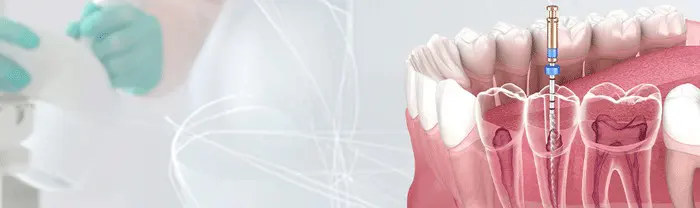
If the cyst is caused by a root-tip infection, root canal treatment may be performed. The infected pulp is removed, the canal disinfected, and then filled.
Antibiotic Therapy
Required for infected cysts, usually as a supportive treatment alongside surgery or to control infection before an operation.
Regular Monitoring
Some small cysts may be monitored without aggressive treatment. Periodic X-rays help track their size and impact. Because dental cysts can lead to serious complications, timely treatment is essential. Treatment plans are customized by the dentist based on individual needs. Early diagnosis and intervention are key to successful outcomes.
Guarantee gap
Not every clinic includes the same level of support.
Before choosing dental treatment abroad, check how the clinic explains guarantees, care guidance, and follow-up support.

 Certified
 How Can Cyst Formation at the Tooth Root be Prevented?
Although dental cysts cannot always be completely prevented, the following measures can significantly reduce the risk:
- Do Not Skip Routine Dental Check-ups: Regular visits help detect potential problems early.
- Maintain Proper Oral Hygiene: Brush at least twice daily, floss regularly, and use antibacterial mouthwash.
- Eat a Healthy Diet: Limiting sugary and acidic foods helps prevent tooth decay.
- Treat Cavities and Gum Disease Promptly: Early treatment reduces the risk of cyst formation.
- Protect Teeth from Injury: Use mouthguards during sports to prevent dental trauma.
- Avoid Smoking and Excessive Alcohol Consumption: These increase the risk of gum disease and cyst formation.
While these measures may not entirely prevent cyst formation, they play a crucial role in reducing risk. Regular dental visits are vital for minimizing potential oral health issues. If you would like to detect and prevent dental cysts early, feel free to visit our clinics!
Want to discuss your journey in person?
Join our priority list to get notified about upcoming 1-on-1 Q&A sessions across the UK.


