








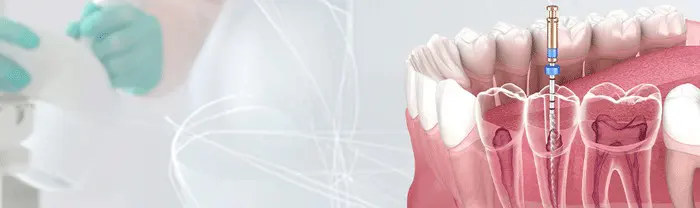




If you have tooth decay, you will most likely need a dental filling to restore your teeth to their original functionality. This way, a damaged tooth that has lost both its appearance and function can be repaired. However, this procedure is not permanent—it is temporary. Therefore, fillings need to be replaced after a certain period of time. So, how often should fillings be replaced?
How Long Do Dental Fillings Last?
On average, dental fillings last between 5 to 10 years. However, factors such as the material used, oral hygiene, the location of the filling, and overall dental health all play a role in determining their lifespan.
Material used in the filling:
There are various materials used for dental fillings. For example, composite fillings are made from plastic or ceramic, while amalgam fillings are typically made from silver-based materials. Since the material affects durability, the lifespan of the filling varies accordingly.
Oral hygiene:
Maintaining good oral hygiene is essential after getting a filling. If you do not brush regularly, use dental floss, or pay attention to mouthwash use, your fillings may deteriorate sooner than expected.
Location of the filling:
The durability of a filling depends on where it is placed. Fillings in the front teeth tend to last longer because they are exposed to less pressure, while fillings in the back teeth are subjected to more force and may wear out faster.
When Does a Dental Filling Set?
A dental filling settles into place shortly after the procedure and fully adapts to the oral tissues. The time required depends on the material used:
- Amalgam filling: Takes about 24 to 48 hours to fully set and harden.
- Composite filling: The most commonly preferred type; it sets immediately after the procedure.
- Ceramic filling: Prepared in a laboratory and bonded to the tooth in a later session. The bonding process may take a few hours, but the filling can be used immediately afterward.
When Should a Dental Filling Be Replaced?
There is no single fixed timeframe for replacing dental fillings. The duration depends on the type of filling:
- Amalgam filling: Typically lasts 10 to 15 years. It should be replaced if there is discoloration or cracking around the filling.
- Composite filling: Often preferred for aesthetic reasons; lasts about 5 to 10 years. It may wear down or crack over time and require replacement.
- Ceramic filling: More durable than other types, lasting 10 to 20 years or even longer. However, it may need earlier replacement in cases of gum recession, breakage, or cracking.
Why Should a Filling Be Replaced?
Although fillings can last many years, certain issues may require earlier replacement:
- Pain: If pain develops in the filled tooth, the filling may need to be replaced.
- Cracks or fractures: Any visible damage to the filling requires replacement.
- Gum problems: Conditions such as gum recession or abscesses may necessitate replacing the filling.
- Discoloration: Especially with composite fillings, color changes may indicate it is time for replacement.
- Chewing problems: Difficulty while chewing may mean the filling has become deformed.
Want to discuss your journey in person?
Join our priority list to get notified about upcoming 1-on-1 Q&A sessions across the UK.


How Is a Filling Replacement Done?
The filling replacement procedure is performed by a dentist in several steps. While it may vary depending on the case, it generally includes:
Examination:
The dentist conducts a physical examination and may use imaging techniques to assess the condition of the tooth and surrounding tissues.
Anesthesia:
Local anesthesia is applied before the procedure.
Removal of the old filling:
The dentist removes the old filling using specialized tools. The underlying tooth structure is carefully cleaned, and any additional issues are treated.
Tooth preparation:
After removing the old filling, the tooth surface is cleaned and shaped to receive the new filling.
Placement of the new filling:
The new filling material is placed into the prepared cavity.
Adjustments:
The dentist checks the patient’s bite and adjusts the height of the filling if necessary.
Final check:
A final evaluation is performed, the patient is informed, and the procedure is completed. After these steps, the filling replacement is successfully completed. If you would like more information, feel free to contact us or visit our clinics anytime!


