











One of the most common problems dentists face is tooth pain. For some people, this may be just a minor ache, but for others it can signal a more serious condition. Damage to the dental nerve is one of the most concerning of these conditions, because it can lead to an abscess and even tooth loss. So, if your dentist has detected an issue with your nerves, what can you expect? Why and how is a nerve removed? You’ve come to the right place for answers.
In this article, we’ll share important information about removing the dental nerve. In our FAQ section below, we’ll answer the questions you ask most frequently. If you’re ready, let’s get started!
What is Root Canal Treatment?
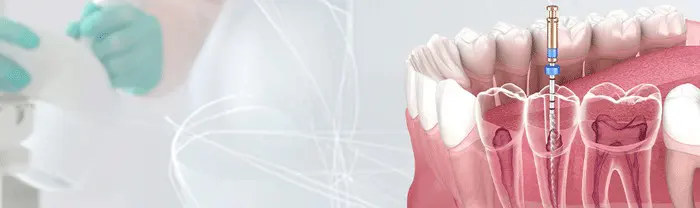
Root canal treatment is a dental procedure performed to remove the inflamed pulp tissue inside a tooth. During this treatment, bacteria in the infected canal are eliminated, the infection is halted, and the goal is to save the patient’s natural tooth.
If your dentist mentioned root canal therapy after your exam, there’s no need to worry! Millions of teeth are saved each year this way. Patients’ pain is relieved, and most often their teeth return to health.
Painful treatments of the past have been replaced by a procedure similar to a routine filling. In just one or two visits, you can be back to smiling and enjoying your favorite foods in no time.
Why is the Dental Nerve Removed?
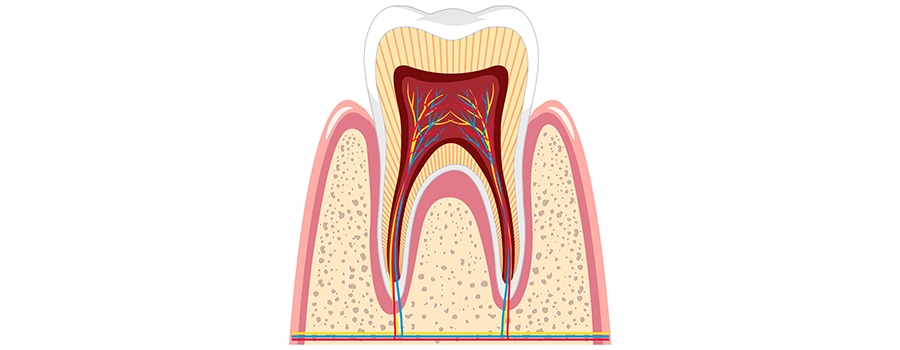 Damage to the dental nerve can pave the way for much more serious disease. However, if the damage is recognized early, it can be prevented from worsening. When you visit your dentist with tooth pain, they will carefully examine the pulp where the nerve resides.
If any involvement is detected, your dentist may recommend removing the nerve. Before deciding to remove the nerve, X-rays are taken and the following factors are assessed:
- If the patient has had long-standing tooth pain,
- If pain worsens with movement or pressure,
- If pain occurs when consuming hot or cold foods,
your dentist may propose nerve removal.
What Does the Dental Nerve Do?
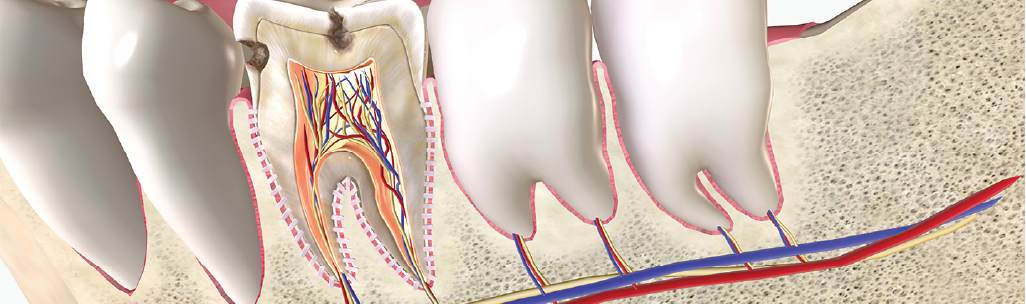
The dental nerve refers to the sensitive tissues—nerves, blood vessels, and connective tissue—within the pulp layer that keep the tooth alive. Damage here lays the groundwork for serious complications like gum bleeding and abscess formation.
What are the Risks of Nerve Removal?
Although rare, unwanted effects can occur after nerve removal. These are usually temporary and ease within hours. Possible problems include pain when chewing or biting and redness of the gums.
What Problems Arise When the Nerve Dies?
If you can comfortably eat hot foods or sip your favorite drink without pain, it’s thanks to healthy dental nerves. However, these nerves can deteriorate over time. If nerve damage goes untreated, the nerve dies. A dead nerve doesn’t just cause pain—it leads to other issues over time:
- Gum bleeding and redness
- Severe pain
- Radiating facial ache
- Dental abscess
- Oral infection
- Tooth loss
How is the Dental Nerve Removed?
Tooth nerve pain is treated by a specialist dentist. The procedure varies depending on the extent of nerve damage, but the most common approach is root canal therapy.
During this procedure, the damaged tissue is removed, the tooth interior is cleaned, and then filled with a sterile material. Removing the damaged tissue does not compromise the tooth’s structure.
How is Nerve Pain Relieved?
Extremely unpleasant nerve pain can be managed with prescription medications from your dentist. In addition, root canal therapy and a filling will alleviate pain. You can also use natural remedies at home—like clove or garlic—for temporary relief.
Guarantee gap
Not every clinic includes the same level of support.
Before choosing dental treatment abroad, check how the clinic explains guarantees, care guidance, and follow-up support.

 Certified
 Frequently Asked Questions
What Happens if the Dental Nerve is Not Removed?
If the nerve is not removed, issues such as gum bleeding, abscess, and tooth loss can develop.
What Happens When the Nerve is Removed?
Your tooth will continue to function normally. You’ll simply be free of the painful tissue.
Is Nerve Removal Painful?
No—local anesthesia is used during the procedure.
How Long does a Tooth Last After Nerve Removal?
With proper preventative care, your treated tooth can last for many years.
Will there be Pain After the Nerve is Removed?
You may feel mild discomfort a few hours after the procedure.
Can the Dental Nerve Die on its Own?
No—the nerve will not die without intervention.


