









Tooth decay is one of the most common reasons people visit the dentist. While severe cases used to require tooth extraction in the past, modern dentistry now focuses on preserving the natural tooth whenever possible. One of the most conservative treatments used today is pulp capping, a procedure designed to protect the inner part of the tooth and prevent the need for root canal treatment. So, what exactly is pulp capping, and when is it needed?
What is pulp capping treatment?
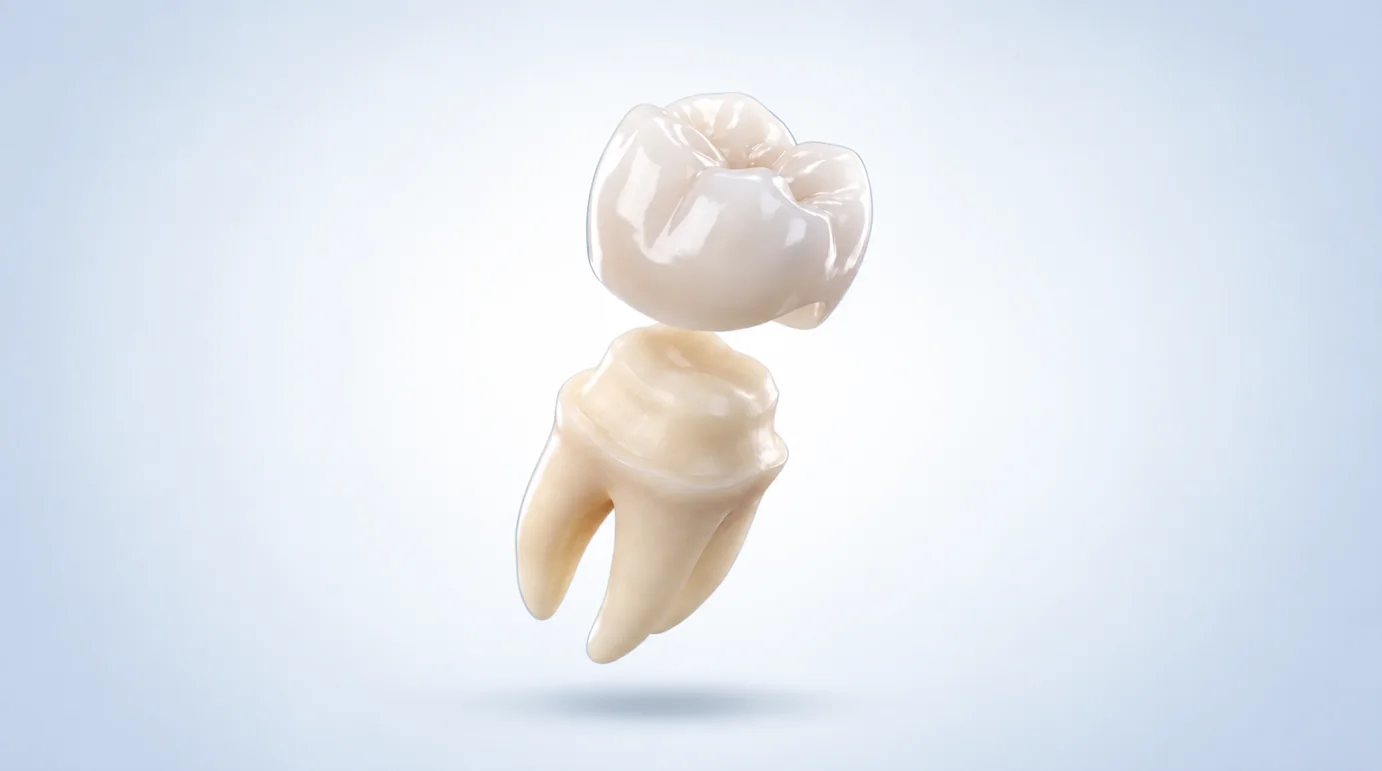
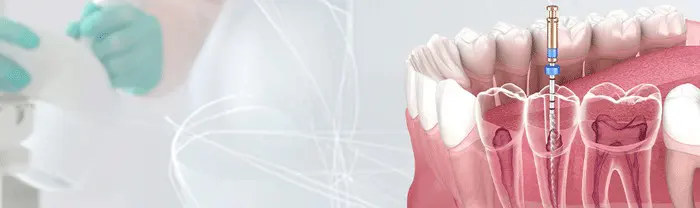
Pulp capping is a dental procedure used to protect the dental pulp—the soft tissue inside the tooth that contains nerves and blood vessels. The main goal of pulp capping is to:
- Remove decayed or damaged tissue
- Protect the pulp from exposure
- Maintain the vitality of the tooth
By preserving the pulp, dentists can often avoid more invasive treatments like root canal therapy.
When is pulp capping needed?
Pulp capping is recommended when the pulp is affected but still capable of healing. Common situations include:
1. Deep tooth decay
When decay gets very close to the pulp but hasn’t fully exposed it, pulp capping can help protect the tooth.
2. Pulp exposure due to trauma
If the pulp becomes exposed after an injury, direct pulp capping may be used to keep it alive.
3. Reversible pulp inflammation
If the pulp is inflamed but not permanently damaged, this treatment can help control the condition and support healing.
Why do dentists perform pulp capping?
Dentists use pulp capping to save the natural tooth and prevent further complications.
Key benefits include:
- Preserving the natural tooth structure
- Preventing infection from spreading
- Reducing pain and sensitivity
- Avoiding root canal treatment when possible
Types of pulp capping
There are two main types of pulp capping procedures:
1. Indirect pulp capping
Used when the pulp is not exposed but very close to the decay.
Steps:
- Local anesthesia is applied
- Decayed tissue is partially removed
- A protective material (such as calcium hydroxide or MTA) is placed
- A temporary filling is applied
- After a few weeks, a permanent filling is placed
This method allows the tooth to heal naturally before final restoration.
2. Direct pulp capping
Used when the pulp is directly exposed.
Steps:
- Local anesthesia is administered
- The area is cleaned and disinfected
- A protective material is applied directly to the pulp
- The tooth is sealed with a permanent filling
This technique helps maintain pulp vitality even after exposure.
How long does pulp capping take?
- Direct pulp capping: usually completed in 30–60 minutes
- Indirect pulp capping: may require two visits, each lasting around 30–60 minutes
Recovery after pulp capping
After the procedure, it’s normal to experience mild discomfort. To support healing:
- Avoid very hot, cold, or hard foods for a few days
- Maintain good oral hygiene
- Avoid sugary and acidic foods
- Follow your dentist’s instructions carefully
How long does pain last after pulp capping?
Some sensitivity or discomfort may last for a few days to a couple of weeks.
- First 1–2 days → more noticeable sensitivity
- Following days → gradual improvement
How to reduce pain after pulp capping
If needed, you can:
- Take prescribed pain relief medication
- Apply a cold compress to the area
- Use a soft toothbrush
- Floss regularly to prevent bacterial buildup
- Use an antibacterial mouthwash
- Avoid smoking and alcohol
Pulp capping vs dental filling: what’s the difference?
Although they are often confused, these treatments serve different purposes:
- Pulp capping: protects the inner pulp and aims to keep the tooth alive
- Dental filling: restores the outer structure of a tooth after decay
Final thoughts
Pulp capping is a minimally invasive dental treatment that plays a key role in modern dentistry. By protecting the dental pulp and preserving the natural tooth, it offers a reliable alternative to more complex procedures like root canal therapy.
If you’re experiencing tooth sensitivity or suspect deep decay, early evaluation by a dentist can help determine whether pulp capping is the right option for you.
Want to discuss your journey in person?
Join our priority list to get notified about upcoming 1-on-1 Q&A sessions across the UK.


