












The formation of stains on teeth is an extremely troublesome issue that no one wants to deal with. From both an aesthetic and oral health perspective, tooth stains can be a sign that something is not quite right. Brown stains on teeth, in particular, can be aesthetically unpleasant and may also cause concern regarding your oral and dental health. So, what causes brown stains on teeth, and how can they be removed?
What are the Types of Tooth Stains?
Tooth stains are generally divided into two main categories: intrinsic stains and extrinsic stains. These two types differ in terms of their causes, appearance, and treatment methods.
Extrinsic Stains
These stains form on the outer surface of the teeth. They are usually caused by factors such as the consumption of certain foods and beverages, smoking, or inadequate oral hygiene. Extrinsic stains appear as discoloration on the tooth surface and can generally be removed through dental cleaning or professional teeth whitening.
Intrinsic Stains
Intrinsic stains develop beneath the enamel layer of the tooth, in the layer known as dentin. They are typically caused by problems during tooth development, long-term medication use, excessive fluoride intake, or dental trauma. Intrinsic stains are more permanent and usually require professional treatment methods.
Understanding the difference between these two types of stains plays an important role in choosing the appropriate treatment. Now, let’s take a closer look at what brown stains on teeth are and why they occur.
What are Brown Stains on Teeth?
Brown stains on teeth appear as discolorations that develop on the surface or within the internal structure of the teeth. These stains may be visible on the enamel layer or located in deeper layers of the tooth. Their appearance can range from dark brown tones to lighter brown shades, and their size and intensity may vary.
Brown stains are often caused by stain-forming substances accumulating on the outer surface of the teeth, but in some cases, they may also result from changes within the internal structure of the tooth. In addition to being an aesthetic concern, these stains can sometimes indicate underlying oral health problems. Understanding the cause of the stains is essential for developing an effective treatment plan.
Let’s now take a closer look at the reasons behind their formation.
What Causes Brown Stains on Teeth?
The formation of brown stains on teeth can occur due to various reasons. The most common causes include:
Foods and Beverages: Dark-colored drinks such as coffee, tea, and cola, as well as certain foods, can cause staining on teeth. The accumulation of these substances on the tooth surface over time contributes to the development of brown stains.
- Smoking and Tobacco Products: Smoking and the use of other tobacco products are among the most common causes of brown stains on teeth. Tobacco can adhere to the tooth enamel, leading to long-lasting discoloration.
- Poor Oral Hygiene: Inadequate oral care, such as not brushing regularly or neglecting to use dental floss, can result in plaque buildup, which eventually leads to staining.
- Fluoride: Excessive fluoride intake, especially during childhood when teeth are still developing, can cause brown stains on teeth.
- Medications: Certain antibiotics and medications can lead to tooth discoloration, particularly when used during the tooth development stage.
- Tooth Decay: Cavities can cause structural damage to the teeth, resulting in brown stains. If you are experiencing tooth decay pain, it is advisable to consult a dentist immediately.
Tooth Erosion
Excessive consumption of acidic foods and beverages can wear down the enamel, leading to staining over time.
Being aware of these causes is extremely important for the prevention and treatment of brown stains on teeth.
Can Brown Stains on Teeth Be Removed?
Whether brown stains on teeth can be removed depends on their cause and severity. In some cases, these stains can be eliminated with simple at-home oral care methods or professional dental cleanings, while in other cases, more comprehensive treatments may be required.
- Mild Stains: Daily brushing and regular professional dental cleanings can help remove superficial brown stains.
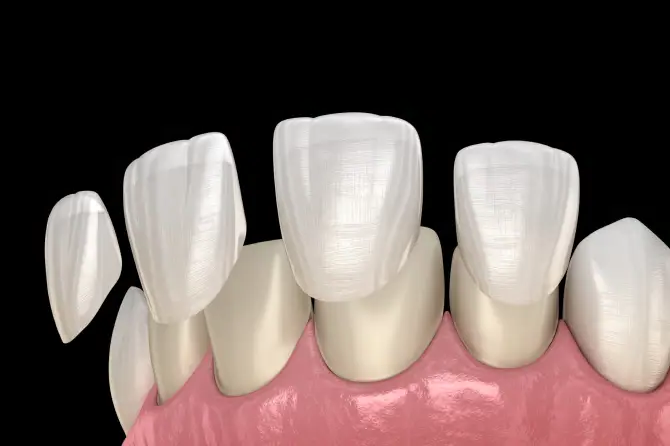
- Persistent Stains: Intrinsic stains or long-standing brown stains are usually more resistant and difficult to remove with at-home care alone. In such cases, professional teeth whitening or restorative treatments such as veneers may be necessary.
- Tooth Decay: If brown stains are caused by cavities, the decayed tooth tissue must be removed and restored with appropriate filling materials.
- Fluorosis and Medication-Related Stains: In these cases, stains are often permanent, and aesthetic improvements may require treatments such as laminate veneers or crowns.
How are Brown Stains on Teeth Treated?
The treatment of brown stains on teeth varies depending on the type and severity of the stains. Some common treatment methods include:
- Professional Dental Cleaning:Regular professional cleanings performed by a dentist can effectively remove plaque, tartar, and many superficial stains.
- Teeth Whitening: Professional teeth whitening procedures carried out under the supervision of an experienced dentist are highly effective in removing stubborn brown stains.
- Microabrasion: Microabrasion techniques may be used for superficial enamel defects or certain types of stains. This procedure involves removing a very thin layer from the tooth surface.
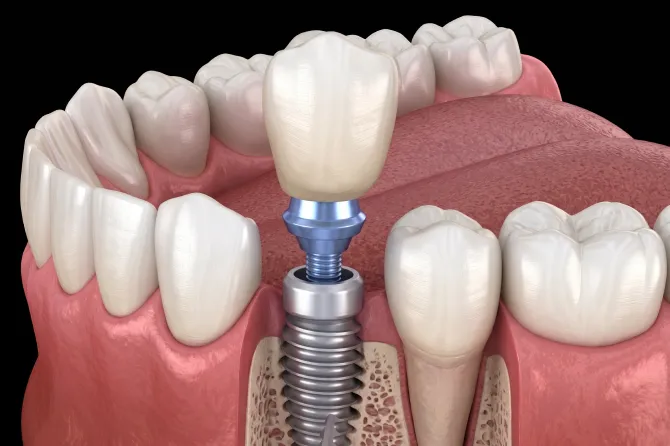
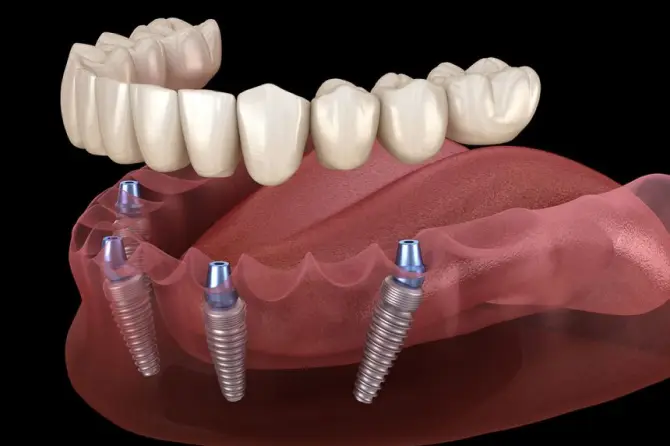
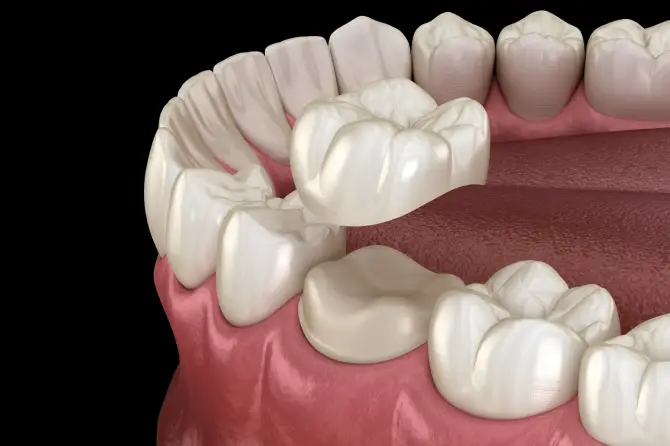
- Crowns and Veneers: For deep or permanent stains on the tooth surface, porcelain veneers or crowns can be an effective solution. These treatments improve the aesthetic appearance of the teeth while completely covering stains, resulting in a brighter and whiter smile.
- Restorative Treatments: If brown stains are caused by underlying issues such as tooth decay, the decay must be removed and the tooth restored using appropriate filling materials.
These treatment options are highly effective in reducing or eliminating the appearance of brown stains on teeth. However, it is important to consult a dentist to determine the most suitable treatment method. Your dentist will create the most effective treatment plan based on the condition of your teeth.
Brown stains on teeth are not only an aesthetic concern but can also provide important clues about your oral health. Therefore, if you notice any discoloration, you should consult a dentist without delay. You can contact us at any time and schedule an appointment whenever you wish!
Read also : Teeth Stains: 4 Natural Remedies for a Brighter Smile
Want to discuss your journey in person?
Join our priority list to get notified about upcoming 1-on-1 Q&A sessions across the UK.


