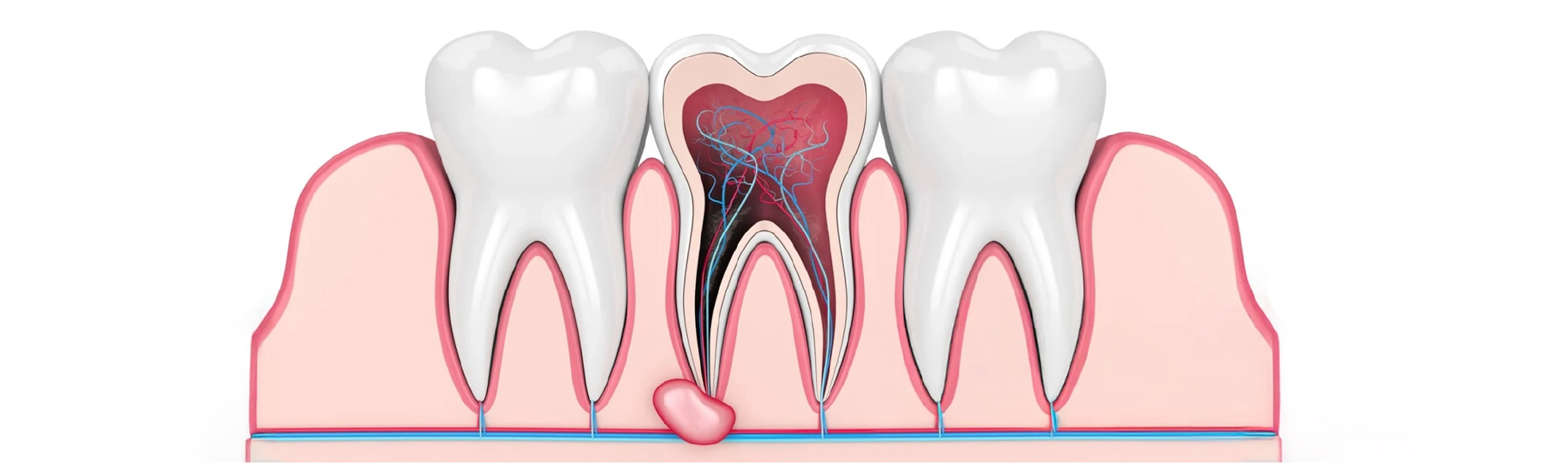










Gum tissues are the pink structures that firmly surround the tooth root. As in any part of our body, gums are prone to irritation and inflammation. If left untreated, progressing irritation and inflammation lead to the troublesome condition known as gum swelling. This condition, commonly seen across many segments of society, is often accompanied by gum pain and sensitivity. Identifying the main cause of the swelling is essential for correct treatment. If gum swelling is not treated, it can lead to serious issues such as damage to the jawbone.
In this article, we will answer questions like “What causes gum swelling?” and “How does it go away?”. We will then discuss treatment options and methods that can be applied for gum swelling. If you’re ready, let’s begin!
What is Gum Swelling?
Gums are susceptible to infection. Microorganisms can settle in the gums during vulnerable periods and cause inflammation. Subsequently, swelling begins to appear in the gum tissue.
Swelling may be localized in one area or occur across all gums simultaneously. For example, swelling at the back gums is usually localized; whereas swelling in front gums can sometimes extend over a larger area.
What Causes Gum Swelling?
This problem has become widespread in recent years. It can have many acute or chronic causes. For instance, swelling when wisdom teeth are erupting is an acute issue, while swelling due to vitamin deficiency can be chronic. Besides these examples, many factors can cause the disease.
We can list the causes of gum swelling as follows:
- Chronic Inflammation: Gum inflammation, a problem many people experience, is one of the main reasons for gum swelling.
- Vitamin Deficiency: Our body relies on vitamins for maintenance and repair. Vitamin C is needed for the repair and upkeep of teeth and gums. If deficient, gum edema may occur.
- Pregnancy: Hormonal changes during pregnancy are common. These changes are among the factors that can cause gum swelling.
- Erupting Wisdom Tooth: Swelling around an erupting wisdom tooth is common among young people. As the tooth tries to emerge, it can damage tissue, causing irritation and inflammation.
- Medication Side Effects: Certain ingredients in medications you take can cause side effects in your gums. Unlike other causes, this can appear minutes after taking the medication. If you encounter such an issue after taking medicine, be sure to inform your dentist and the prescribing doctor.
- Improper Dentures: After getting dental prosthetics, you may also experience gum swelling. Ill-fitting dentures can irritate tissues over time. Many patients believe this is an adaptation period, but it often results in gum swelling.
- Herpes Virus: Besides bacteria, some viruses can cause gum inflammation. The herpes virus can lead to gum swelling. After a physical exam, your dentist may refer you to an infection specialist.
- Aphthous Ulcers (Canker Sores): Aphthous ulcers, mouth sores often arising from vitamin deficiency, appear as white inflamed lesions. As they progress, your gums may begin to swell.
It is not possible to determine the cause of gum swelling at home. After a detailed examination, your doctor will inform you about the underlying causes.
What are the Symptoms of Gum Swelling?
Gum swelling may be a sign of another condition inside the mouth. Depending on the underlying cause, different symptoms may appear. These include:
- Gum edema
- Gum sensitivity
- Red gums
- Bad breath
- Fever
How is Gum Swelling Diagnosed?
The best way to treat the disease is to identify its causes. The most reliable method is to undergo a dental examination. Your dentist will conduct the exam, paying attention to questions such as:
- When did the swelling start? Gum swelling can be acute or chronic. The patient’s answer helps guide the choice of medications in treatment.
- Which areas are affected? Depending on the factors causing the swelling, the swollen area may vary. For example, if swelling is around a single tooth, an infection of that tooth may be suspected.
- Is there any pain? The presence and nature of pain help the dentist identify the main cause.
- Is an X-ray needed? If the dentist cannot make a diagnosis after physical examination, or suspects a more advanced disease, they may request X-rays for evaluation.
What are the Treatment Methods for Gum Swelling?
The exact cause of gum swelling is determined by a specialist dentist. According to the diagnosed condition, an appropriate treatment may be prescribed. If the swelling is advanced, your dentist may refer you to oral surgery specialists. Adopting a healthy lifestyle for your teeth and strictly following medical prescriptions are important for treating your condition.
In children with gum swelling, you may seek help from pediatric dentistry specialists if advanced expertise is required.
What Helps Gum Swelling?
Patients often search for “How to reduce gum swelling at home?” without wanting to see a doctor. For mild gum swelling, you may try the following natural methods at home:
- Clove: Clove has analgesic properties. Massaging your gums with clove may alleviate pain.
- Oral Hygiene Regularly brushing your gums prevents bacterial spread.
- Avoid Sugary Foods: Excessive sugary foods harm tooth enamel. To protect your gums, avoid overly sugary foods.
- Saltwater: Rinsing your gums with saltwater three times a week can reduce pain and help prevent infection.
How Does Gum Swelling Go Away?
The answer depends on the severity of your condition. In addition to the medications prescribed by your dentist, you can facilitate recovery by paying attention to certain aspects in daily life. If gum swelling progresses and affects your quality of life, consult your dentist.
Besides using prescribed medications as directed, reviewing the at-home treatment options above may also be beneficial.
How Long Does Gum Swelling Take to Heal?
The healing time for gum swelling depends on the severity of the condition. With proper oral hygiene and the medications you use, improvement can be seen within 10 to 14 days. However, for persistent or worsening swelling, you should seek your dentist’s help again.
How to Prevent Gum Swelling?
The most important way to prevent gum swelling is to focus on preventing infections that lead to inflammation. In addition to this key point, you can avoid gum swelling by paying attention to the following factors:
- Regular Brushing: Brushing your teeth at least twice a day helps prevent infection. Choose a toothbrush suited to your teeth.
- Mouthwash: Using mouthwash can inhibit bacterial growth.
- Avoid Tobacco: Smoking and tobacco products increase the risk of gum inflammation.
- Regular Check-Ups: Visiting your dentist every six months is a preventive step against infection.
Frequently Asked Questions About Gum Swelling
How Can Gum Swelling be Treated at Home?
With regular oral care, mouthwash, and massage, you can treat mild gum swelling at home. Natural products like clove or chamomile tea may help relieve gum swelling. You can boil these herbs and massage your gums with a cotton swab. However, note that this condition may not resolve at home; swelling may even worsen. To avoid such issues, schedule an appointment with us before the problem grows.
Are there Medications for Gum Swelling?
After a detailed examination, your dentist will prescribe medication for gum swelling if needed.
My Gums are Swollen—What Should I do?
If you experience gum swelling and sensitivity, and notice blood when brushing, contact us to make an appointment immediately. For the best oral health practices, you can confidently choose Dentakay!
Want to discuss your journey in person?
Join our priority list to get notified about upcoming 1-on-1 Q&A sessions across the UK.