








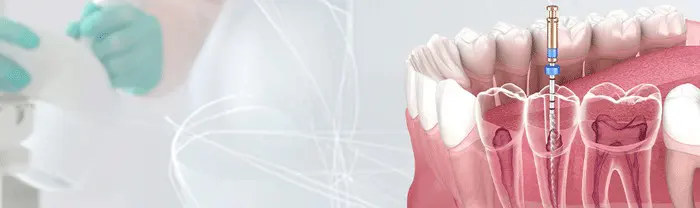


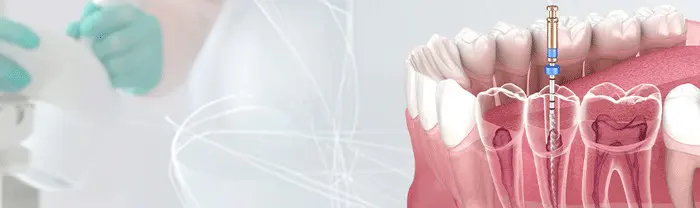

Root canal treatment is a dental procedure widely used by endodontics specialists. It's typically applied to eliminate the damage caused by tooth decay. But do dentists reserve this procedure only for cavities? Can root canal treatment be performed on an infected tooth? What happens if this treatment is applied to an abscessed tooth? You can find the answers to all of these questions, and much more, in this article!
What happens if root canal treatment is performed on an infected tooth?
Root canal treatment is generally applied in cases where decay and infection are dominant. An infected tooth usually results in the pulp inside the tooth becoming infected, which naturally brings along complaints such as swelling and pain.
When root canal treatment is performed on infected teeth, the infected tissue inside the tooth is cleaned out, disinfected, and finally refilled. At the end of the procedure, symptoms such as pain decrease and disappear completely over time.
Can root canal treatment be performed on an abscessed tooth?
The accumulation of pus caused by infection in the tissues at the root tip of a tooth is called a dental abscess. When faced with such a situation, the most important step to take is to assess the condition of the tooth and remove the infection from the tissues as quickly as possible.
For this removal process, the most appropriate option is to apply root canal treatment to the abscessed tooth. The patient can continue to use their tooth in a healthy way shortly after the procedure.
In Which cases is root canal treatment not performed?
Root canal treatment is an effective method for saving a tooth. However, this treatment option may not be very suitable in certain cases. We can summarize these cases as follows:
- Severe damage to the tooth: If a large portion of the tooth has broken off, tooth extraction may be needed instead of root canal treatment.
- Deep cracks forming in the teeth: If deep cracks have formed in the roots of the tooth, root canal treatment may not be very effective.
- Recurring infections: If root canal treatment has been performed before and the patient is experiencing recurring dental infections, other treatment options may be considered instead of root canal treatment.
- Problematic supporting tissues of the tooth: If the person in question has gum disease and has lost significant bone tissue, stabilizing the tooth can be difficult. In this case, resorting to root canal treatment can be risky. Still, keep in mind that your dentist will provide you with the most accurate information for your situation. Your dentist will evaluate the condition in detail and then inform you whether root canal treatment is possible.
Can a Filling Be Placed on an Infected Tooth?
Placing a filling on an infected tooth is generally not recommended and is not preferred by dentists. This is because the infection stems from the infection in the tooth's pulp. Since a filling is applied to the outer surface, placing a filling in this case does not treat the infection spreading inside the tooth.
How is an infected tooth treated?
Treatment for an infected tooth is carried out to relieve symptoms and protect the health of the tissues surrounding the tooth. The following steps are generally followed in this treatment:
- Antibiotics: Infections that haven't progressed can be brought under control with antibiotics. It's also recommended to use pain relievers alongside antibiotics to reduce the pain symptom caused by the infection.
- Root canal treatment: In this step, the infected pulp inside the tooth is removed. During the procedure, the root canals are cleaned and reshaped.
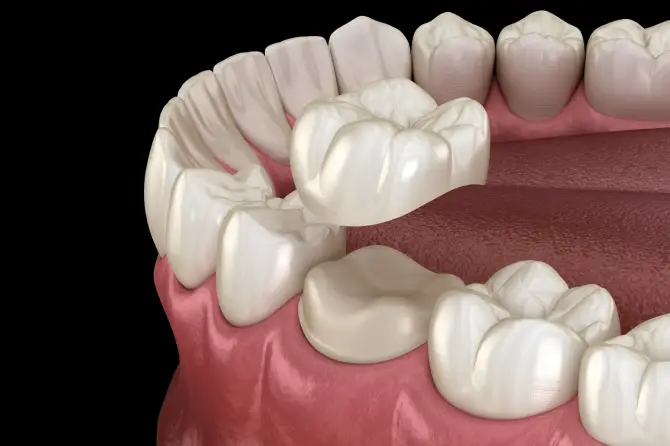
- Crown: A dental crown, also known as a cap, is applied in cases where the tooth's structural integrity cannot be preserved. This both prevents the tooth from breaking and restores lost function.
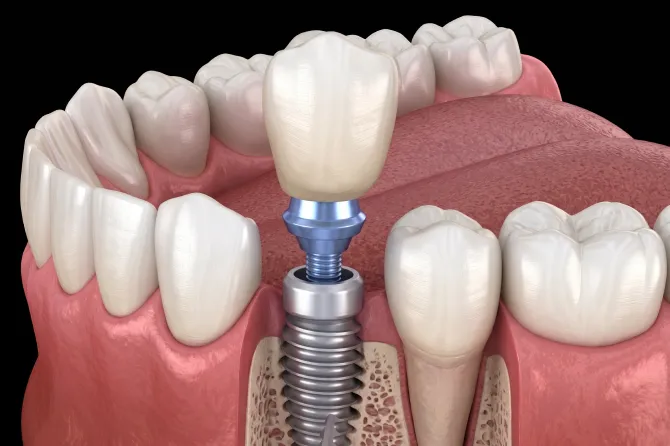
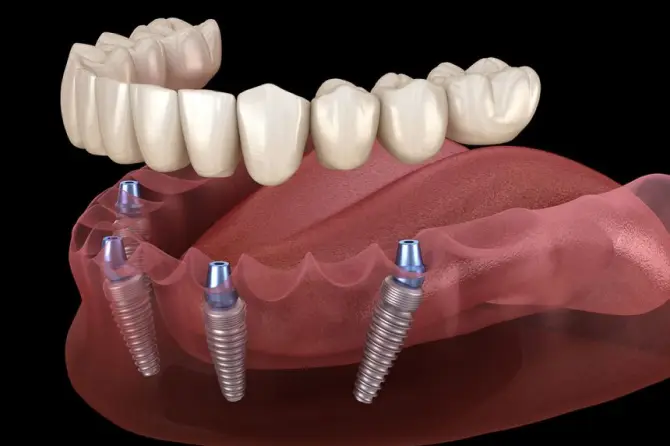
- Tooth extraction: In some cases, the treatments above may prove insufficient. In this case, tooth extraction is performed, and options such as an implant, bridge, or dentures are considered.
- Surgical intervention: If the infection cannot be treated by any means and alternative treatments are not possible either, surgical procedures such as apical resection may become necessary.
If you still have questions on this topic, you can visit our clinics and have an examination whenever you like. By getting the necessary information from our specialists, you can say hello to healthier days!


