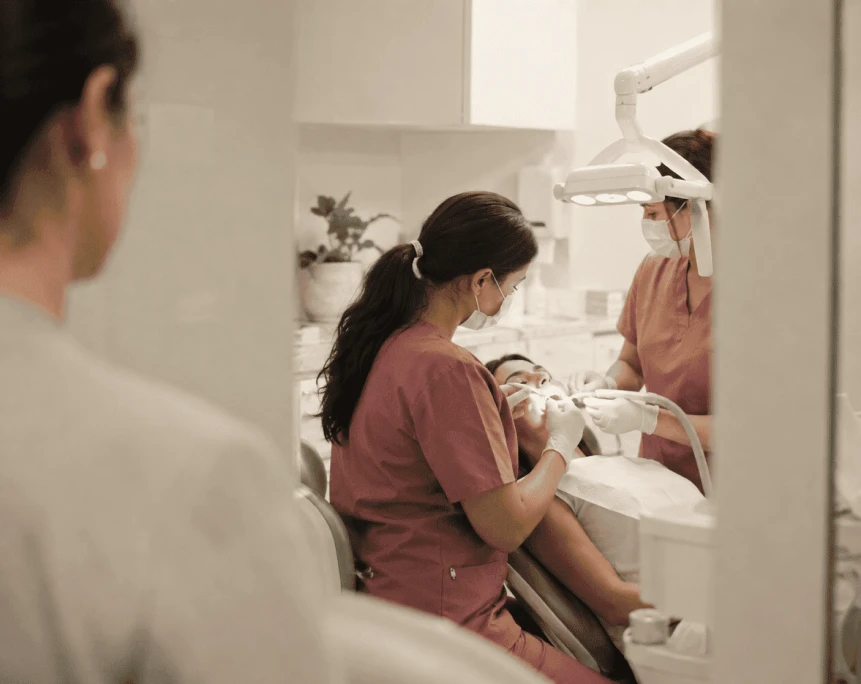
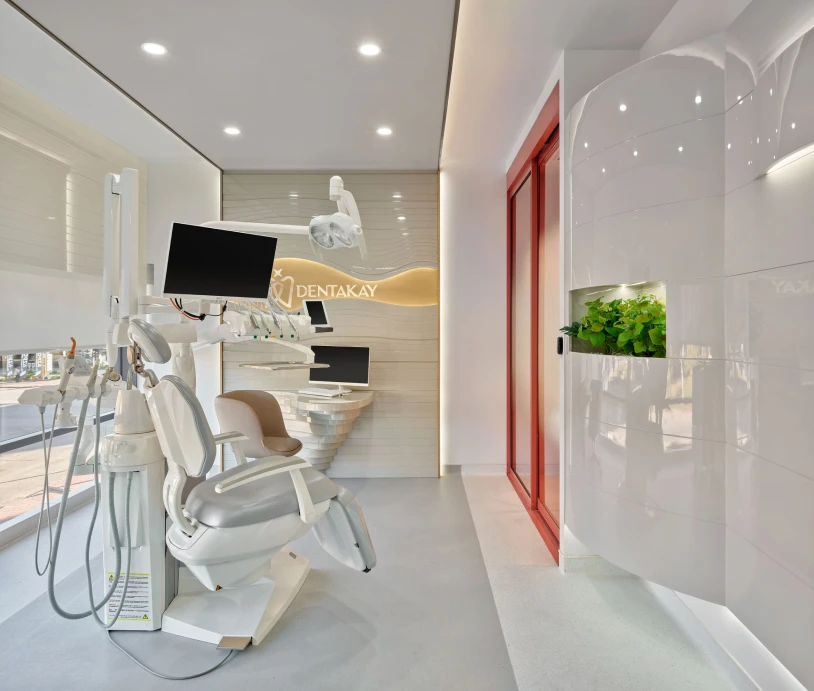
Would you like to be a part of a dynamic team that is passionate about dental health, prioritizes patient satisfaction? In our clinic, you can have the opportunity to improve yourself and advance your career by working with professionals who are experts in their fields.
JCI (Joint Commission International) accreditation is a globally recognized certification that ensures healthcare organizations meet rigorous international standards for patient safety, quality of care, and operational excellence. JCI accreditation is exceptionally rare among dental clinics. Dentakay’s systems for patient safety, infection prevention and consistent care have been independently assessed against international healthcare standards.
Dentakay Career
16+ Years of Excellence
We continue to expand globally, offering the best opportunities for professionals.
Discover the convenience of a free online consultation with our dental clinic! Our expert team is ready to provide you with personalized advice and solutions for your oral health, all from the comfort of your home. Experience modern dental care with ease and reliability.
Dentakay is one of the few dental clinics accredited by JCI, meeting the same high standards of quality and patient safety associated with leading hospitals worldwide.
JCI assessed the processes supporting patient identification, treatment safety, infection prevention, medication management and aftercare. When you travel for treatment, independent verification matters.
Joint Commission International (JCI) is a non-profit international healthcare accreditation organisation. It assesses clinics against defined standards for patient safety, infection control, medication, clinical care and how the organisation is managed.
Our Certificates
Across our JCI-accredited network, Dentakay clinics share the same standards for quality, safety and patient care.
What JCI means for your care
Six international patient safety goals, built around one person: YOU. Every one of them was assessed at Dentakay.
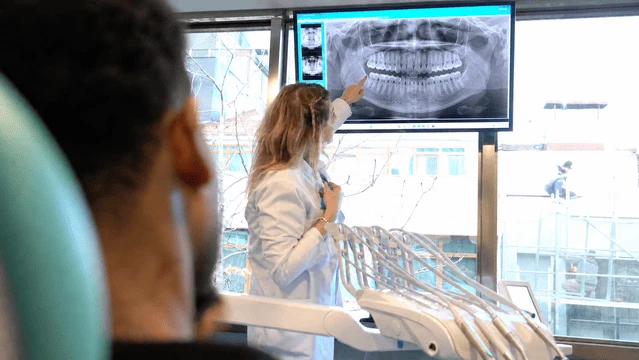
Correct patient identification
How your care is safer?
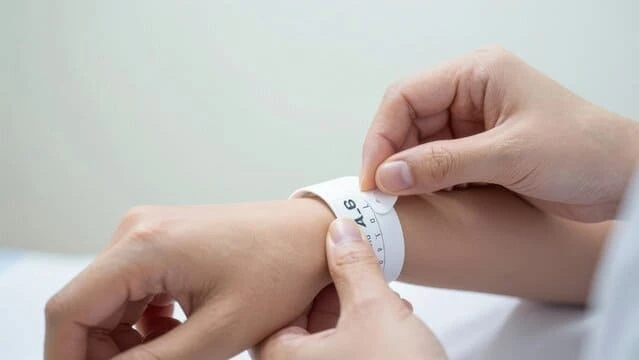
Your care is matched to you through a three-step identity verification process.
What JCI checks
At least two personal details are checked before imaging, medication or treatment.
Clear communication
How your care is safer?
Your care team works with the same, up-to-date information.
What JCI checks
Important information and test results are shared clearly between teams and stages of care.
Medication safety
How your care is safer?
High-risk medications are handled with extra care.
What JCI checks
Storage, prescribing and administration follow defined safety checks.
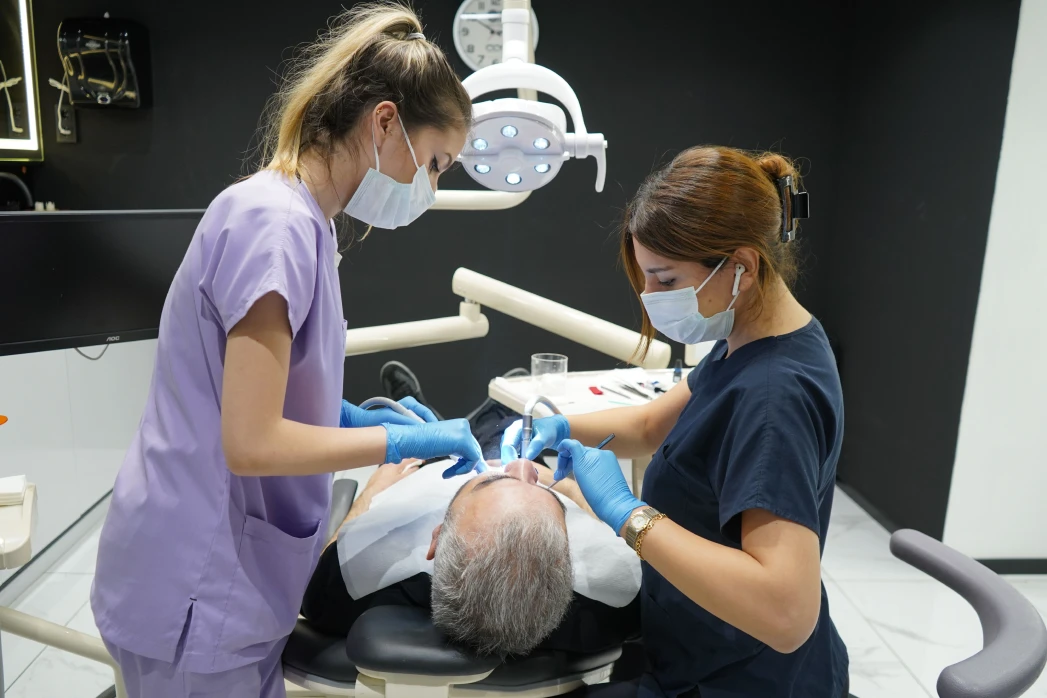
Procedure safety
How your care is safer?
Right patient. Right tooth. Right procedure.
What JCI checks
Your identity, planned treatment and treatment site are confirmed before the procedure begins.
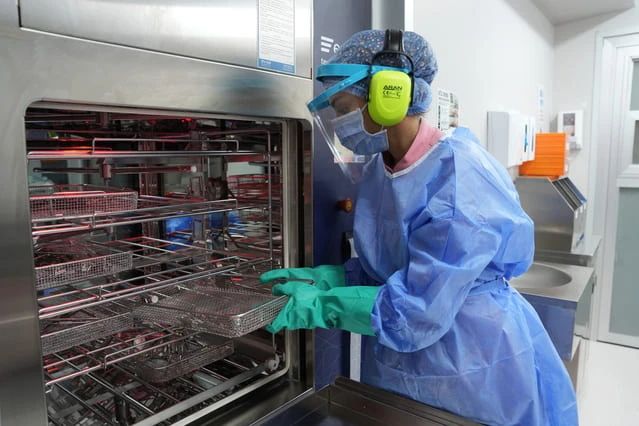
Infection prevention
How your care is safer?
Every visit follows clear infection-control steps.
What JCI checks
Hand hygiene and the cleaning, sterilisation and storage of instruments are controlled.
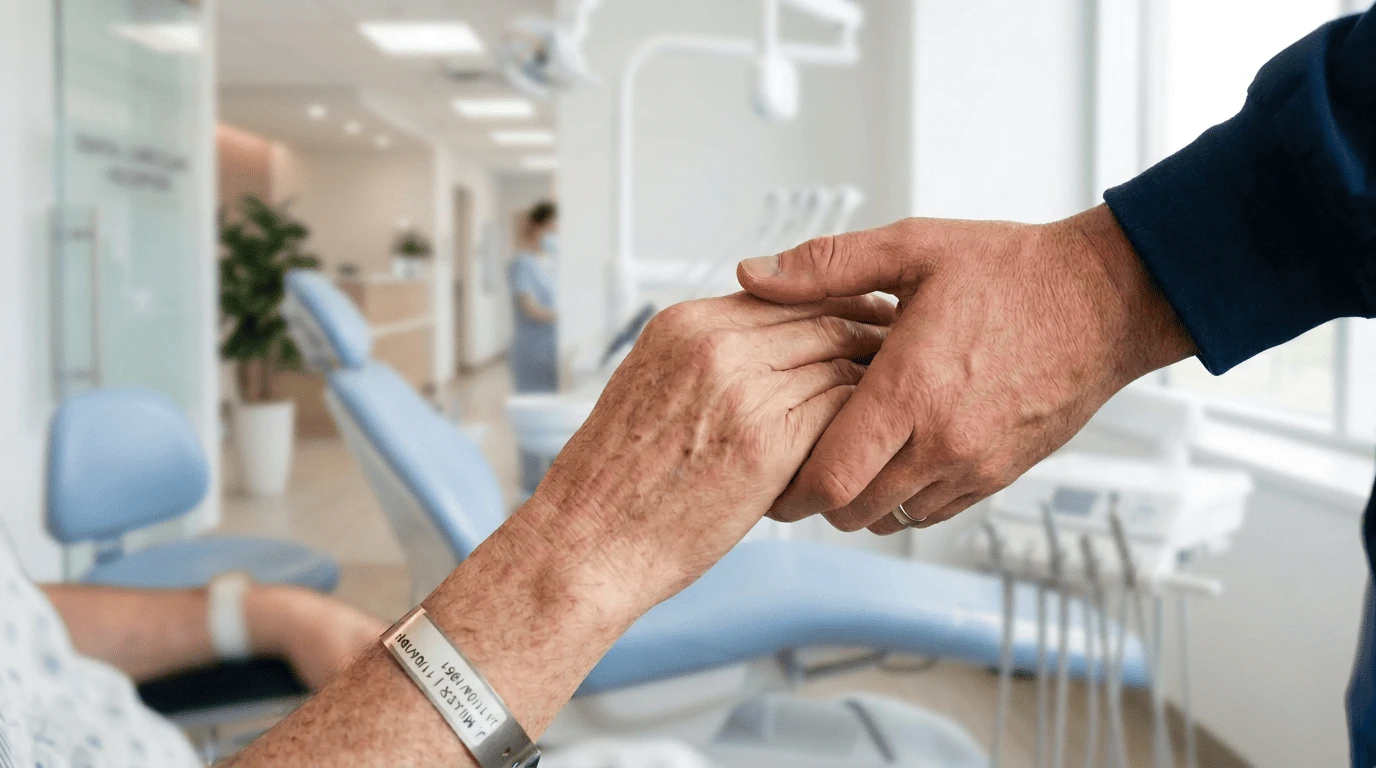
Fall prevention
How your care is safer?
Extra support helps reduce your risk of falling.
What JCI checks
Fall risks are assessed so support, safe surfaces or other precautions can be provided.
These six goals are defined by Joint Commission International and represent the same internationally recognized patient safety standards applied across accredited hospitals and clinics worldwide.
The difference JCI makes
Non-JCI-accredited clinic vs JCI-accredited Dentakay
WithoutIndependent accreditation
VerifiedJCI-accredited Dentakay
Independent accreditation
You rely on the clinic’s own standards.
JCI-accredited Dentakay
Dentakay’s standards were checked by independent JCI surveyors.
Independent accreditation
You mainly hear what the clinic says about its care.
JCI-accredited Dentakay
Surveyors observed daily practices and spoke directly with the team.
Independent accreditation
It may be difficult to confirm whether written procedures are followed.
JCI-accredited Dentakay
Patient records, infection control and clinical processes were reviewed.
Independent accreditation
Quality and safety are checked internally.
JCI-accredited Dentakay
Risks, incidents and improvements are monitored through a structured system.
Why we chose to be independently assessed?
For patients who place their trust in us before they even arrive.
01
At Dentakay, quality is not the responsibility of one department; it belongs to everyone. We saw JCI as a chance to recognise our gaps, learn from them and improve how we care for our patients. As I always say, competent staff means safer patients.
Dr. Gülay AkayFounder & Chief Dentist
02
Patients should not have to wonder whether the standard of care will change from one doctor or clinic to another. JCI helped us bring our clinical teams around the same approach to planning, treatment, documentation and follow-up.
Cansın Çelebi KüçükDoctor
03
Many of the most important safety steps happen quietly: the checks before treatment, the way information is shared and the care taken with every detail. We wanted those steps to be clear, consistent and independently assessed.
Dr. Tuğba CanDoctor
04
As doctors, we already take responsibility for every clinical decision we make. JCI asked us to look beyond individual practice and make sure the systems around each decision support safe, careful care.
Dr. Ahmet ÖzdemirDoctor
05
Independent assessment makes you examine routines that can otherwise become automatic. That outside perspective helped us question the small details, learn from them and strengthen our daily clinical practice.
Dr. Alper KayaDoctor
How Dentakay was assessed
JCI checked whether what we say about safety actually happens in daily care.
They watched patient care
Patient journeys were followed from assessment and consent through treatment, recovery and follow-up.
They spoke to the team
Clinical and support staff explained their responsibilities, daily checks and responses to safety risks.
They checked the records
Patient files and clinical records were compared with written procedures and the care being delivered.
They checked the clinic systems
Infection control, medication, equipment, emergency readiness and quality processes were examined.
These are only the main areas. The full assessment covered patient care and clinic-wide systems.
Full assessment checklist
Areas included in the JCI assessment
The assessment covered patient care, clinical safety and the clinic-wide systems used to support treatment.
Patient care
Patient identificationConfirming the correct patient before care.
Initial assessmentReviewing each patient’s health and treatment needs.
Individual treatment planningRecording a plan based on the patient’s condition.
Informed consentExplaining treatment clearly before it begins.
Correct treatment and siteCompleting final checks before invasive procedures.
Recovery and follow-upPlanning care and instructions after treatment.
Clinical safety
Infection controlReducing infection risks across the clinic.
Cleaning and sterilisationProcessing instruments, equipment and supplies safely.
Medication safetyStoring, prescribing and monitoring medicines.
Sedation and surgeryMonitoring before, during and after treatment.
Imaging and equipmentInspection, testing, maintenance and calibration.
Emergency readinessPreparing for medical and facility emergencies.
Systems and staff
Professional qualificationsChecking licences, education and credentials.
Ongoing staff competenceTraining and reviewing staff knowledge over time.
Patient recordsDocumenting diagnosis, treatment and results.
Privacy and data protectionProtecting patient information from improper access.
Safety incident reviewRecording and analysing problems and near misses.
Quality improvementUsing findings and data to improve care processes.
Get a Free Initial Consultation
JCI-Accredited Dental Care
In 3 Accredited Clinics
Nish Clinic
Şişli Clinic
Antalya Clinic
Contact Us on WhatsApp
You can get quick help by writing to us on WhatsApp.











 JCI-accredited Dentakay