







Oral and dental health is a very important factor that affects a person’s overall health. Root cavities are one of the significant issues that threaten dental health. Root tooth decay can be defined as the decay process that occurs in the root portion of the tooth. This problem generally develops as a result of gum recession. Such decay can cause pain and may also lead to serious infections. So, what causes root tooth decay and how is it treated? If you are looking for answers to these questions, you are in the right place.
What is Root Tooth Decay?
In short, root tooth decay is the decay process that occurs in the root area of a tooth. Under normal conditions, the tooth root is protected by gum tissue. However, when gums recede, the root surface becomes exposed, which creates a suitable environment for cavities to form.
Root cavities develop in an area that is protected by less enamel and contains more dentin. Dentin is softer than enamel and can decay more quickly. Therefore, it is possible to say that root cavities may progress faster than enamel cavities.
These cavities can rapidly damage the structure of the tooth and, if left untreated, may lead to serious problems including tooth loss. Early diagnosis and prompt intervention are vital to prevent such severe outcomes.
Who Gets Root Tooth Decay?
Root cavities are more commonly seen in older individuals. However, it should not be forgotten that they can affect people of all ages. The main reason they are more frequent in older adults is that gums naturally recede with age, exposing more of the tooth roots.
In addition, root cavities may be seen more often in the following groups:
- People with gum disease: Gum diseases cause gum recession, making root surfaces more vulnerable to decay.
- People with dry mouth (xerostomia): Saliva helps naturally cleanse the mouth and prevent cavities. Dry mouth reduces saliva production, increasing the risk of decay.
- People who do not maintain oral hygiene: Regular toothbrushing and flossing are essential for preventing root cavities. When oral hygiene is neglected, the risk of decay naturally increases.
- People with chronic illnesses: Some chronic conditions, such as diabetes, can directly affect oral health and make cavity formation easier.
Being aware of these risk factors is important for prevention and early treatment. Regular dental check-ups and proper care habits play a critical role in preventing this type of decay.
Read also : Root Canal Treatment for an Infected Tooth: Is It Possible?
What Causes Root Tooth Decay?
There are several important factors that contribute to the development of root cavities. The causes of root tooth decay can be listed as follows:
- Gum recession: Receding gums expose the tooth roots. In these exposed areas, the enamel layer is thinner, making them more prone to decay.
- Poor oral hygiene: If you do not give adequate attention to oral and dental health, plaque can form. Plaque contains acid-producing bacteria that cause cavities.
- Consumption of acidic foods and drinks: Acidic foods and beverages can wear down tooth enamel and cause cavities. They may also directly affect dentin on the root surface, causing decay to progress faster.
- Aging: Gum recession becomes more common with age, which makes you more susceptible to root cavities.
Read also : Root Canal vs. Tooth Extraction: Which Option Is Right for You?
How Can You Tell if You Have Root Tooth Decay?
Root tooth decay is generally diagnosed by a dentist. In many cases, cavities are not visible to the naked eye and require methods such as X-rays. The following approaches are commonly used for diagnosis:
- Dental X-rays: Root decay is often hidden in the root and frequently begins below the gumline. Dental X-rays are one of the most effective methods to detect its presence and extent.
- Dental examination: The dentist can examine the teeth and gums with specialized instruments to identify signs of decay. Gum recession or visible damage on the tooth root may be noticed during this exam.
- Sensitivity tests: The dentist may test how the tooth responds to hot, cold, or sweet foods to assess sensitivity. Increased sensitivity may be a sign of underlying decay.
- Laser fluorescence diagnostic devices: Some modern dental techniques use laser technology to detect cavities. These devices can identify abnormalities on the tooth surface and help detect decay early.
Regular dental visits are important for early detection of root tooth decay. This allows your dentist to identify potential problems in advance and recommend the most appropriate treatment methods.
How is Root Tooth cavity Treated?
Treatment for root tooth decay varies depending on the stage and spread of the decay. The main methods used include:
- Filling: If the decay is more superficial, removing the decayed tissue and placing a filling material may be sufficient. This restores the tooth’s shape and function.
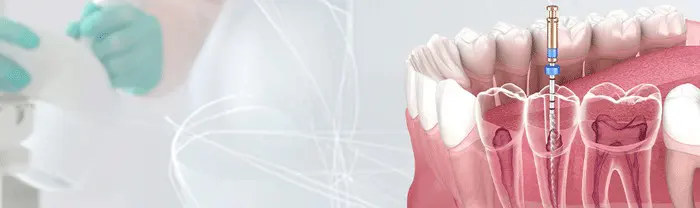
- Root canal treatment: If the decay has reached the tooth pulp (the area containing nerves and blood vessels), a root canal may be necessary. In this procedure, the infected pulp is removed first. Then the canal is cleaned, disinfected, and filled with a filling material.
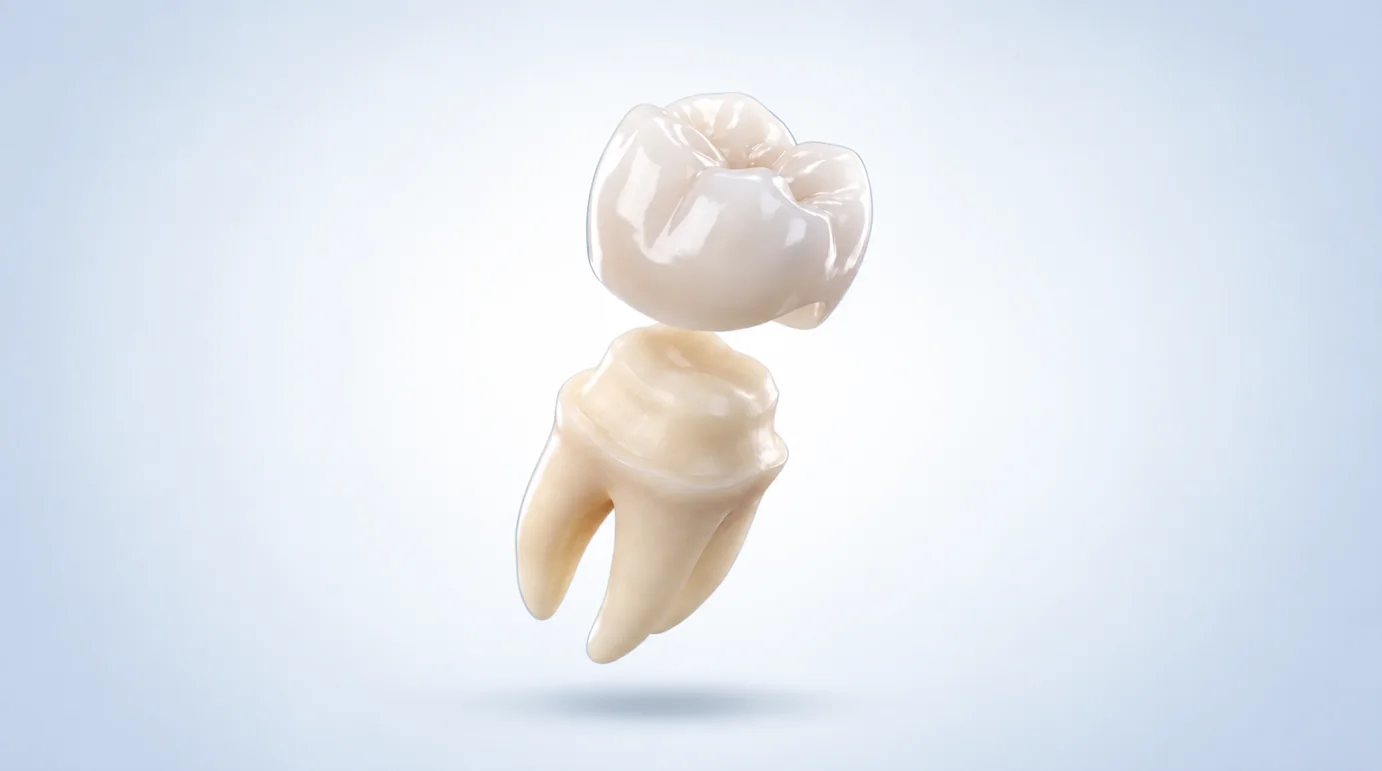
- Crown: A crown is an artificial cap placed over the tooth. If a large portion of the tooth is damaged or its structural integrity is compromised, a crown may be used to protect and strengthen the tooth.
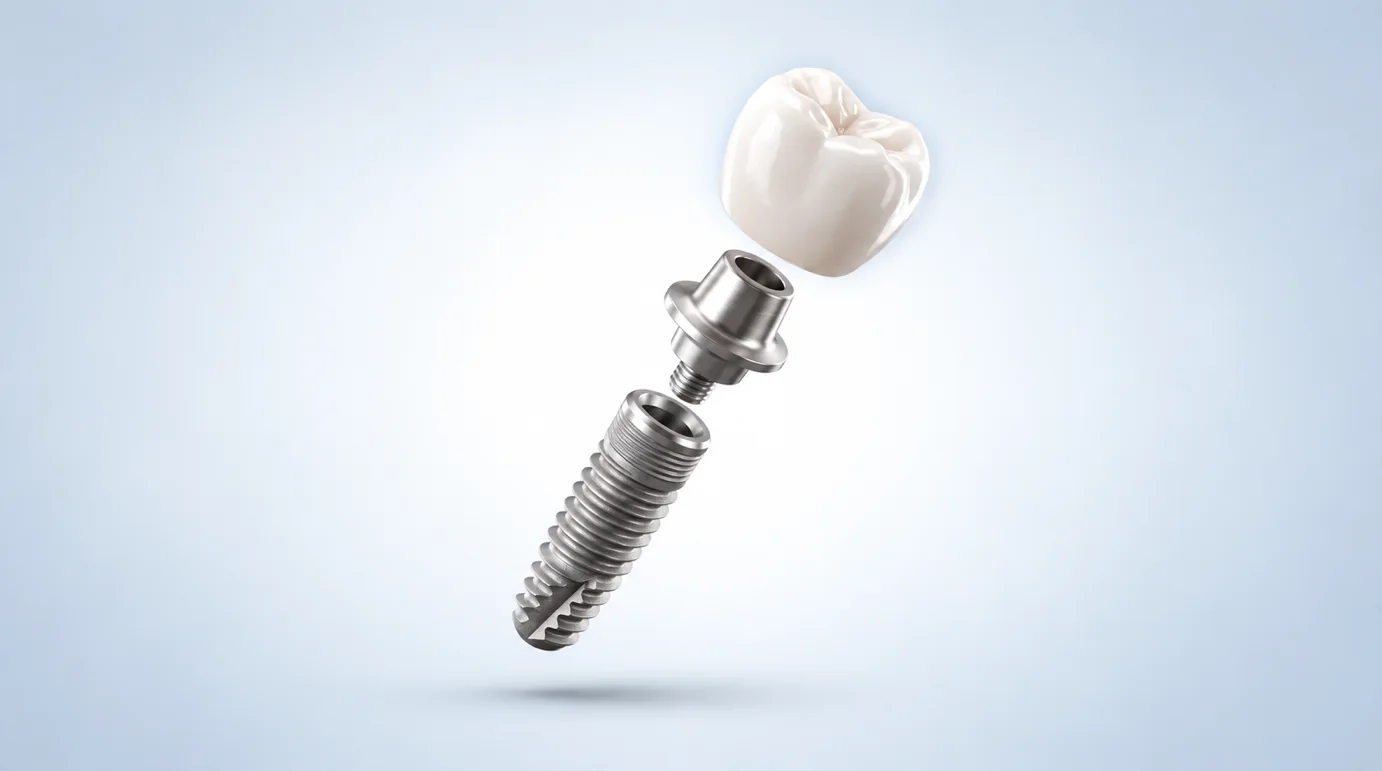
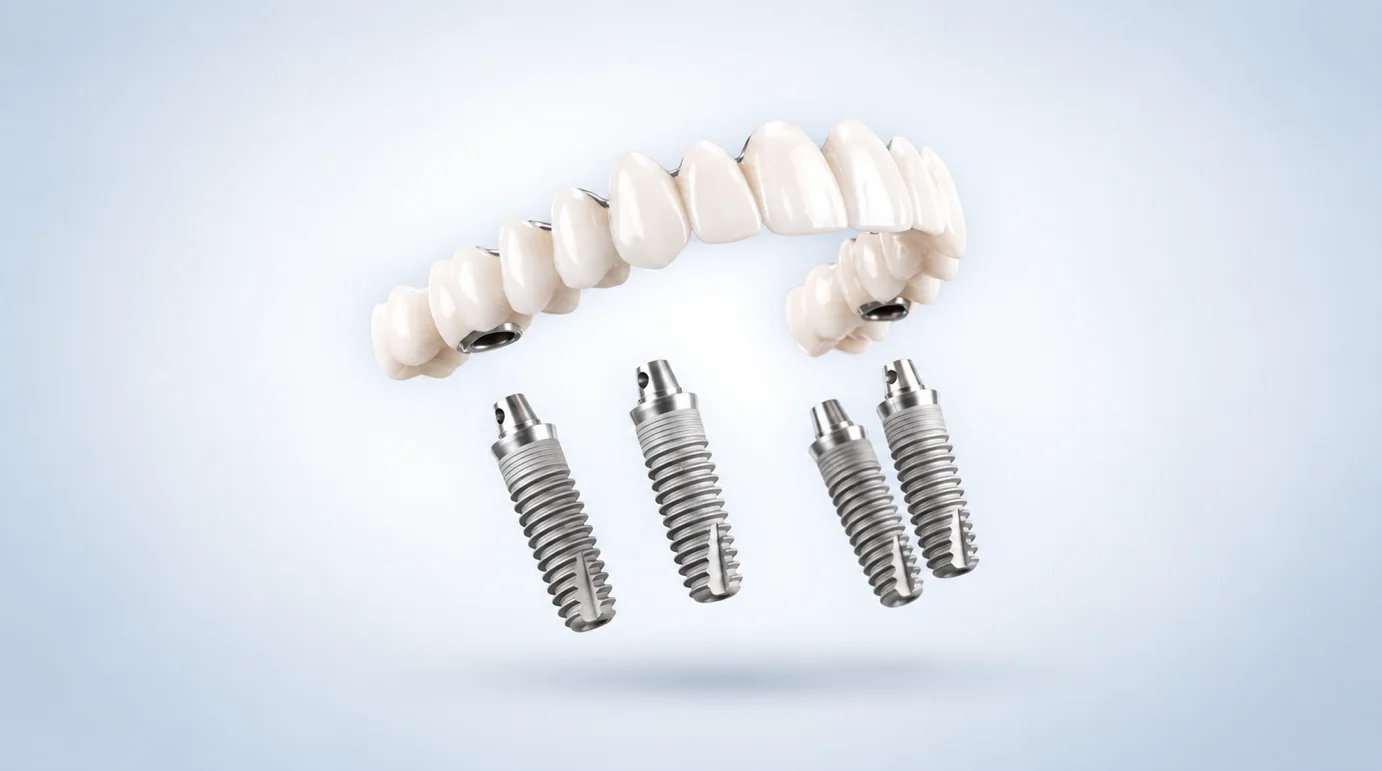
- Tooth extraction and implant: If the decay is very advanced and the tooth cannot be saved, extraction may be required, followed by restorative options such as an implant.
- Fluoride treatment: Regular dental check-ups and fluoride treatments are important to prevent decay from progressing and to protect dental health.
In addition, it should be remembered that every case is different. Therefore, the correct treatment method is determined after a detailed examination by your dentist. Early diagnosis is critical for less invasive treatment options and better outcomes. If you would like to detect these cavities early and achieve healthy teeth with prompt treatment, contact us. Visit our clinics and get examined as soon as possible.
Read also : How to Recognize a Failed Root Canal Treatment?
Want to discuss your journey in person?
Join our priority list to get notified about upcoming 1-on-1 Q&A sessions across the UK.