









Both dentists and those seeking a beautiful smile often choose dental veneers—thin shells that cover damaged or discolored teeth. Unlike other restorations, veneers are custom-made to match your natural teeth. There are many types, but porcelain veneers are by far the most popular. Many people aren’t aware of what porcelain veneers are or when they’re used. In this article, we’ll cover their benefits and also potential downsides of this cosmetic dentistry treatment.
What are Porcelain Veneers?
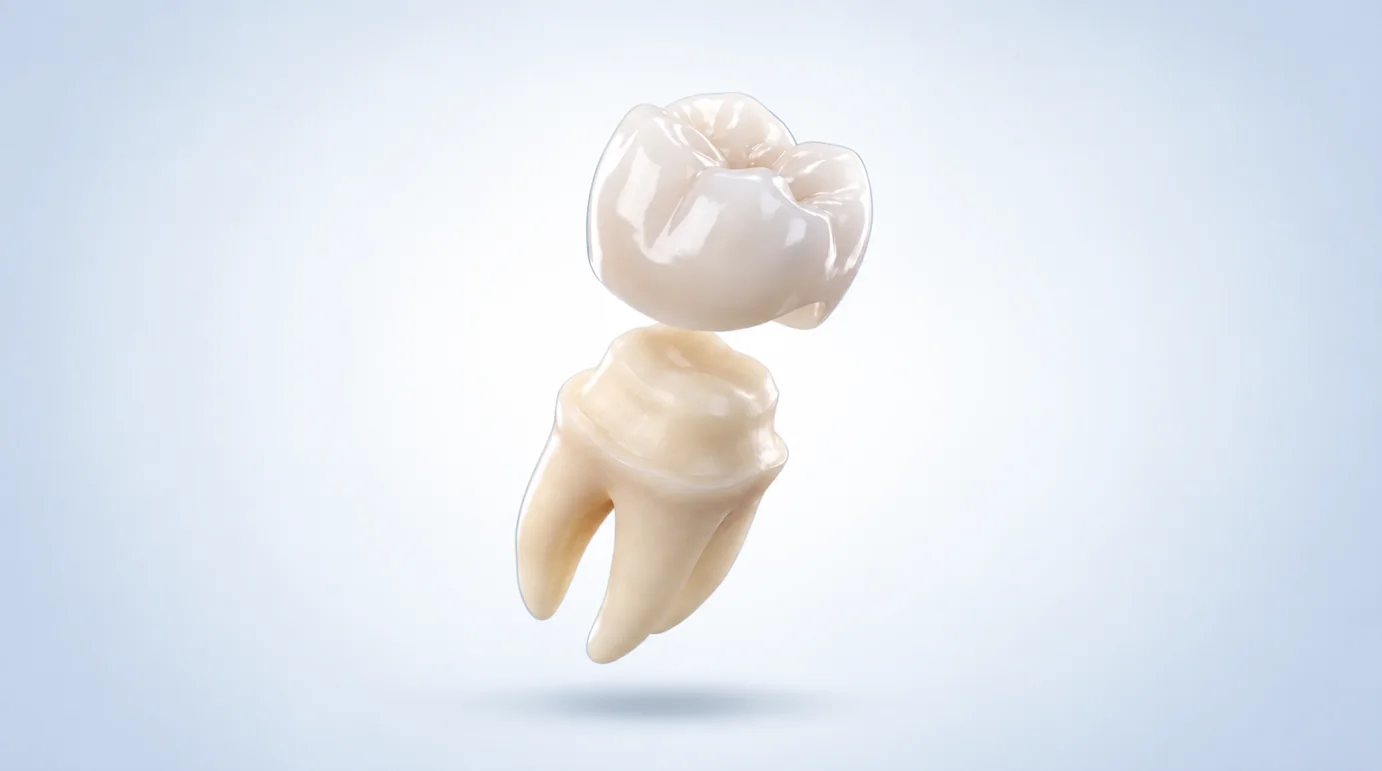
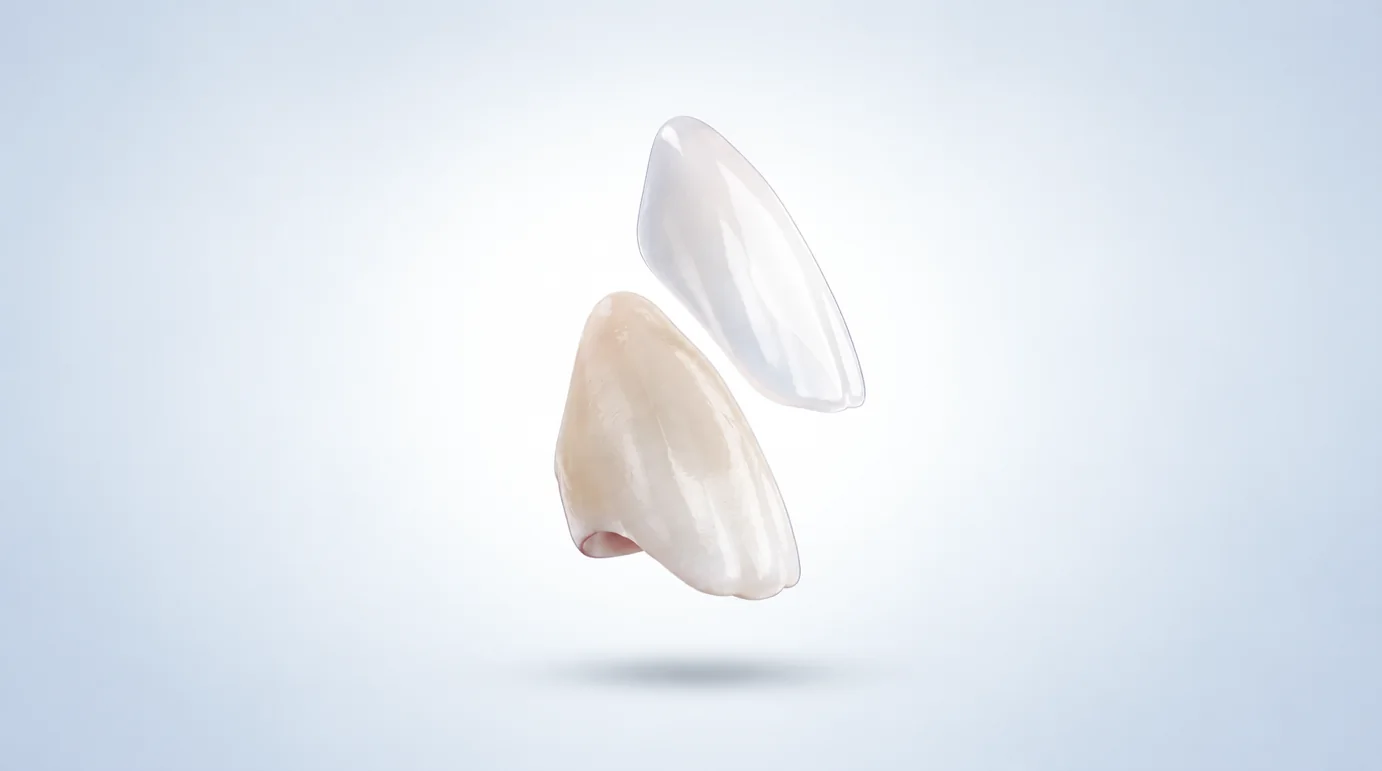
Porcelain veneers are ultra-thin shells, typically made of porcelain, designed to fit over the front surfaces of your teeth. Highly effective for enhancing dental esthetics, they’re a favorite among dentists. Veneers aim to improve the appearance of unsightly teeth.
When are Porcelain Veneers Used?
Do you avoid smiling in crowds? Are you self-conscious about discolored or damaged teeth? If so, you may be a candidate for porcelain veneers. Other common indications include:
- Small chips or cracks in the front teeth
- Severe tooth discoloration
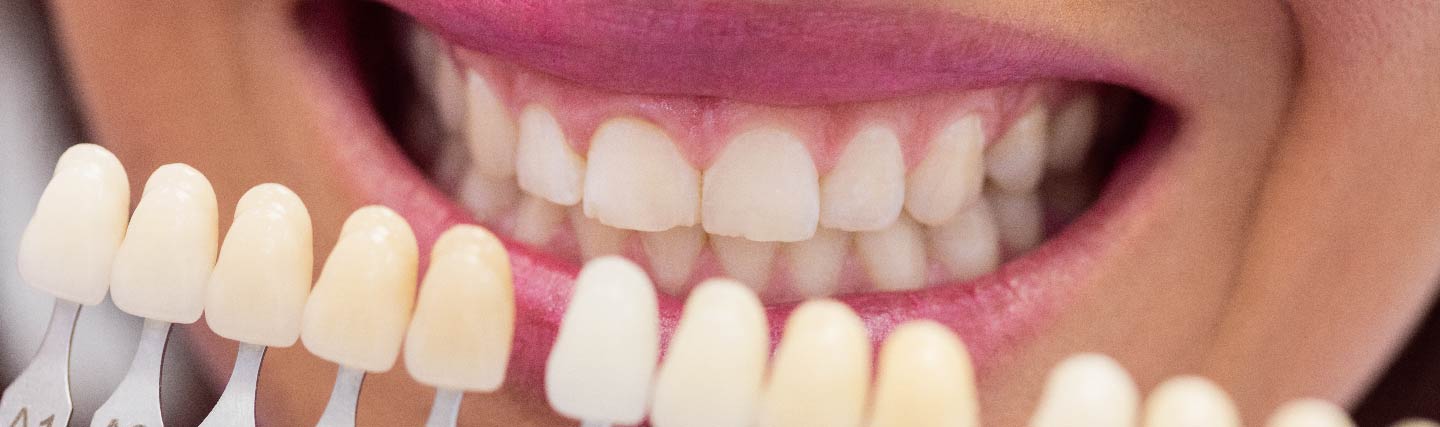
- Dissatisfaction with your natural tooth color
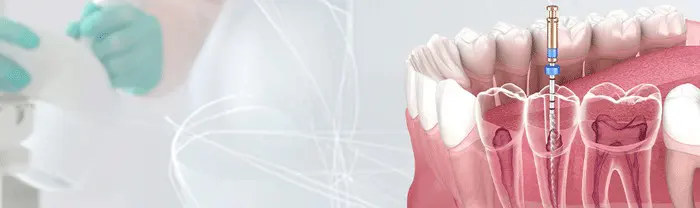
- Teeth darkened after a root-canal treatment
- Misshapen teeth that haven’t been addressed with orthodontics
Why Choose Porcelain Veneers?
The choice of porcelain veneers depends on each patient’s needs. Generally, they’re used to correct gaps, misaligned teeth, and stubborn stains. Beyond medical needs, patients seeking a confident, attractive smile often opt for veneers. Ultimately, the decision rests on your desires and your dentist’s professional judgment. If you have any of the above concerns, discuss your options with your dentist to find the best plan.
How are Porcelain Veneers Placed?
Once you decide on veneers, you may need multiple visits:
- First Appointment: The dentist cleans your teeth to prevent decay or discoloration under the veneer. Then impressions are taken to create custom-fit veneers. You may experience sensitivity afterward; a temporary veneer can protect your teeth until your permanent shells are ready.
- Second Appointment: Your custom veneers are tried in place. Before permanent bonding, the dentist checks fit, color match, and bite. Minor adjustments—such as trimming—may be made. Any remaining steps are completed in a follow-up visit.
After these steps, you’ll enjoy a stunning new smile!
How to Care for Porcelain Veneers
Proper care extends veneer lifespan. Follow your dentist’s instructions closely:
- Pain Relief: You may feel discomfort for about a week—use over-the-counter pain relievers as directed.
- Dietary Choices: Avoid very hot or very cold foods during healing.
- Daily Oral Hygiene: Brush twice daily and floss regularly.
- Avoid Tobacco: Even with perfect veneers, smoking damages gums and can compromise your results.
- Mouthwash: Use an antibacterial mouthwash once or twice a week to control bacteria.
With good hygiene and routine care, your veneers can outlast their typical lifespan.
Advantages of Porcelain Veneers
While many treatments fix tooth issues, porcelain veneers stand out for esthetic concerns. Beyond looks, they offer:
- Natural Appearance: Porcelain mimics enamel’s light-transmitting properties, creating a lifelike smile.
- Stain Resistance: Coffee, tea, and soda won’t discolor veneers; they can be polished if staining occurs.
- Durability: With proper care, veneers often last well beyond their 10-year average lifespan.
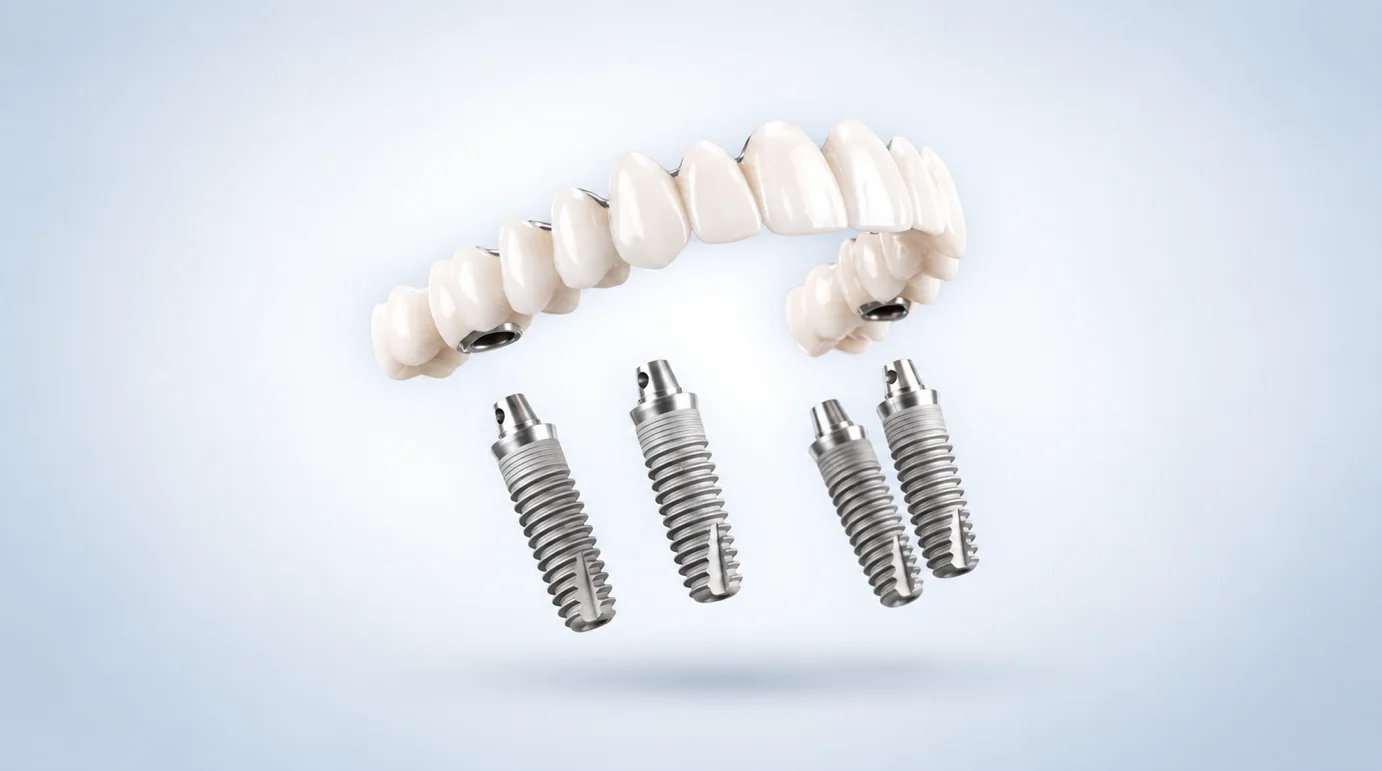
- Strong Support for Bridges: Porcelain’s strength makes it ideal for implant-supported bridges, combining metal’s durability with ceramic’s esthetics.
- Minimal Tooth Reduction: Unlike crowns, veneers require little to no removal of healthy tooth structure.
Porcelain Veneer Costs
Costs vary by dentist expertise, porcelain brand, and lab technology. Since each veneer is custom, ask your dentist for current pricing details.
Frequently Asked Questions
Are porcelain veneers a good choice?
Yes—veneers are an excellent option for many esthetic concerns.
Are veneers painful?
You may experience soreness during placement and up to a week afterward, but lasting pain is rare.
Can veneers be placed without shaving down the tooth?
That depends on your tooth structure and the dentist’s plan—consult your dentist for specifics.
Will the tooth under the veneer ever decay?
Your dentist will clean and prepare the tooth thoroughly before bonding, making decay under a properly placed veneer very unlikely.
Porcelain vs. zirconia veneers—which is better?
It varies by patient needs—some prefer porcelain’s translucency, others zirconia’s extra strength. Your dentist will advise.
Can veneers be removed and re-bonded?
Only by a professional—don’t try to do this yourself, as it risks damage.
How long does veneer fabrication take?
The process from impression to placement usually takes 2–4 days.


