









Bruxism aka teeth grinding or jaw clenching is one of the most important causes of teeth wear! In this article you’re gonna learn about bruxism causes and symptoms and finally some treatments to stop teeth grinding and clenching. here we go!
What is Bruxism?
First of all we need to know bruxism meaning. Bruxism aka stressed people disease is an oral para-functional activity that is irrelevant to normal function such as eating or talking. It is a common behavior and according to reports it’s prevalent among 8% to 31% of general population. Grinding teeth and clenching jaw may mostly happen when environmental stress turns into psychological stress. If the patient doesn’t go for treatment, after a while many teeth start wearing down until the whole tooth is gone!
Types of Bruxism
There are two types of bruxism :
Sleep bruxism
The patient grinds teeth and clench jaw during sleep. The symptoms of grinding teeth at night sleep are worse on waking.
Awake bruxism
Grinding and clenching the teeth may happen during the day too as a result of stress or anxiety. Dental damage may be similar in both day and night.
Bruxism symptoms and signs

Teeth grinding and jaw clenching can result to teeth damage
Because most people are not aware of the problem, it is really important to know the signs and symptoms of bruxism and see a dentist for regular dental care. the followings are the most important signs and symptoms:
- The unpleasant noise of teeth grinding and clenching may be loud enough to wake up your sleep partner!
- Flatten, chipped, fractured or loose teeth.
- Pain or sensitivity in teeth.
- Sleep disruption
- Headaches, particularly pain in the temples.
- Pain in the neck and
- Pain that feels like an earache
- Pain or soreness in face, jaw or neck
- Clicking of the temporomandibular joints (TMJ)
- Pain in your jaw when eating hard or chewy food
Causes of teeth grinding
- Due to a combination of physical, psychological and genetic factors the cause of bruxism is unknown but some possible causes are generally accepted.
Stress and anxiety
Family responsibilities, work pressures, anger and frustration increase anxiety and stress and can lead to teeth grinding or clenching.
Sleep disordered breathing
People who are likely to have sleep disorders such as snoring and sleep apnea (pauses in breathing) grind their teeth forward to breathe normally.
Side effects of SSRI meds
Some anti-depressant medicines such as Selective Serotonin Reuptake Inhibitors (SSRI) may cause bruxism.
Smoking and drinking!
Smoking, drinking alcohol and caffeine can increase the risk of bruxism.
Bruxism can be hereditary
Bruxism can be hereditary. It means that if you grind your teeth, other members in your family may have the same problem.
Childhood
It is common in young children but fortunately in most cases it goes away by adulthood.
Oral habits
Teeth grinding and clenching can also be associated with bad oral habits such as chewing on pens, nail biting, tongue thrusting.
Risks of bruxism!
If no action is taken, bruxism will result to serious health risks!
Cracked tooth and teeth wear
Obviously grinding and clenching teeth gradually cause tooth crack. Cracks are perfect for bacteria to get inside the tooth and and damage it. After a while the bacteria can cause sensitivity, pain and finally teeth wear.
TMJ disorder
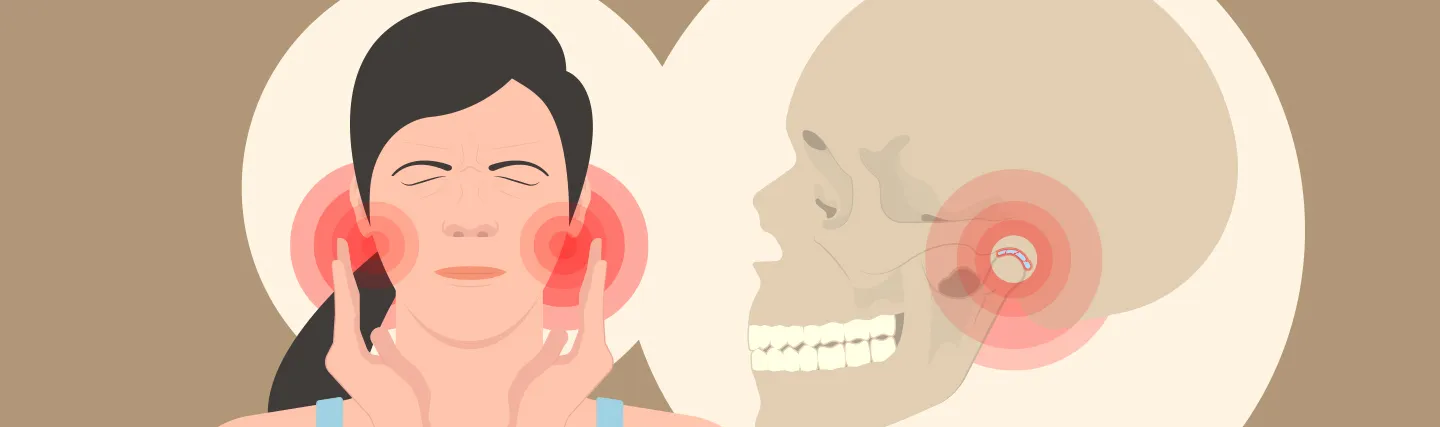
Bruxism can cause TMJ disorder and chronic headaches. Temporomandibular joint (TMJ ) connects your jawbone to your skull. Bruxism may cause your jaw to get locked when you open it you can’t close. Another disorder may be the clicking sound when you open and close your mouth.
Tension-type headaches
Grinding teeth and clenching jaw cause sever pain in face, jaw, neck and head.
Bruxism treatment! How to stop teeth grinding?
There are so many things that a doctor can offer you to solve this problem such as :
Night dental guard
 A night dental guard, also know as dental guard, nightgaurd or occlusal splint is a retainer-like plastic piece that covers the biting surface and can be worn either on the top or bottom set of teeth in order to protect patient’s teeth from being damaged during nocturnal bruxism. It can be hard or soft depending on the patient’s situation.
Jaw Botox
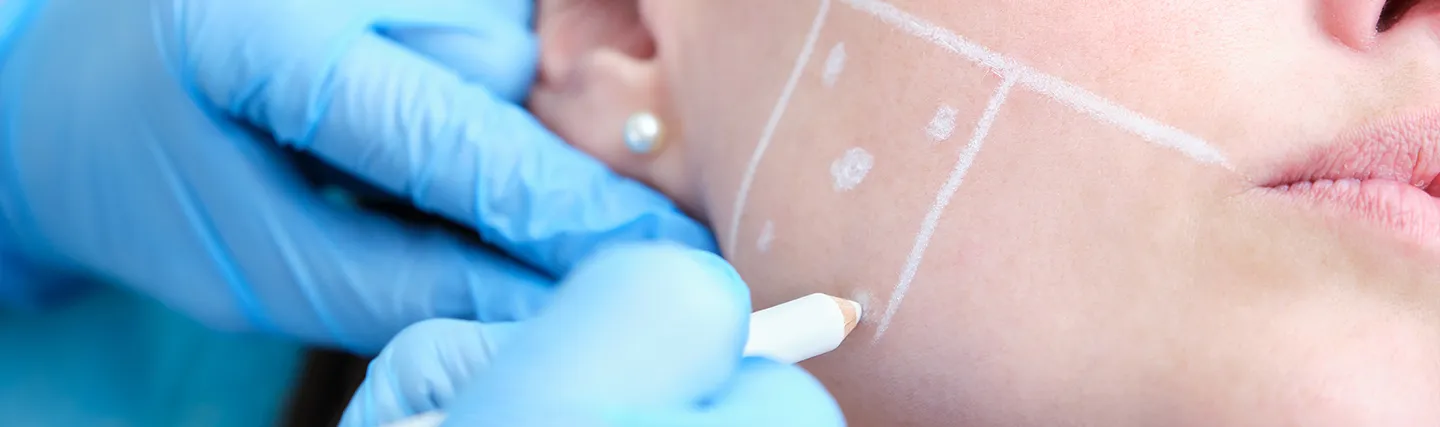 Although jaw Botox is known as an aesthetic to make the face slimmer and less square-shaped, it can be an effective solution for jaw clenching (bruxism) too. When Botox is injected into the masseter muscle it relaxes the jaw muscles (temporarily paralyzes the muscle) and as a result the muscle is unable to move as before!
The procedure is done in 15 minutes. The effects of Jaw Botox can last lasts 3 to 4 months and if you need to maintain the result, you need to repeat the procedure every 3 to 4 months.
Although jaw Botox is known as an aesthetic to make the face slimmer and less square-shaped, it can be an effective solution for jaw clenching (bruxism) too. When Botox is injected into the masseter muscle it relaxes the jaw muscles (temporarily paralyzes the muscle) and as a result the muscle is unable to move as before!
The procedure is done in 15 minutes. The effects of Jaw Botox can last lasts 3 to 4 months and if you need to maintain the result, you need to repeat the procedure every 3 to 4 months.
Reduce your stress level
As mentioned before Bruxism is also known as stressed people disease. It means the more stress and anxiety, the more chronic bruxism! So one of the best ways to stop grinding your teeth and clenching jaw is to reduce your stress and anxiety. You can see a psychologist to help you manage and reduce your stress and anxiety.
Want to discuss your journey in person?
Join our priority list to get notified about upcoming 1-on-1 Q&A sessions across the UK.


